Best Insulated Siding for Energy Savings
- Putri Home Student
- 2025 February 01T15:33
- Home Insulated
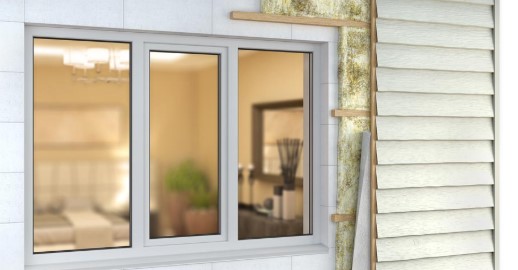
Best insulated siding for energy savings offers significant advantages for homeowners seeking to reduce their energy bills and environmental impact. This guide explores the various types of insulated siding available, their respective R-values, installation processes, and long-term cost implications. We’ll delve into the factors influencing siding selection, including climate, budget, and aesthetic preferences, ultimately helping you make an informed decision for your home.
Understanding the nuances of insulated siding—from its impact on heat transfer to the lifecycle considerations of different materials—is crucial for maximizing energy efficiency and minimizing environmental footprint. This comprehensive guide will equip you with the knowledge necessary to choose the best option for your specific needs and circumstances.
Introduction to Insulated Siding and Energy Efficiency
Insulated siding represents a significant advancement in home construction and renovation, offering a powerful combination of aesthetic appeal and enhanced energy efficiency. By integrating insulation directly into the siding material, it creates a highly effective barrier against heat transfer, leading to substantial reductions in energy consumption for both heating and cooling. This translates to lower utility bills, a smaller carbon footprint, and increased comfort within the home.
Insulated siding works by reducing the rate at which heat escapes a building in winter and enters in summer. This is achieved through a variety of mechanisms, primarily by minimizing conductive and convective heat transfer. The insulation layer acts as a thermal break, significantly slowing down the movement of heat through the siding and underlying wall structure. This reduction in heat transfer minimizes the burden on your HVAC system, resulting in lower energy usage.
Types of Insulation Used in Insulated Siding
The effectiveness of insulated siding hinges on the type and quality of insulation used. Several common insulation materials are employed, each with its own strengths and weaknesses. The choice often depends on factors such as cost, R-value (a measure of thermal resistance), and environmental impact.
Mechanisms of Energy Efficiency Improvement
The improvement in energy efficiency offered by insulated siding stems from its ability to impede heat transfer through three primary mechanisms: conduction, convection, and radiation. Conduction refers to the direct transfer of heat through a material. Insulated siding, with its insulating core, significantly reduces conductive heat loss. Convection involves the transfer of heat through the movement of fluids (air or water). The air pockets within the insulation material hinder convective heat transfer, further minimizing energy loss. Finally, radiation involves the transfer of heat through electromagnetic waves. While insulated siding does not completely eliminate radiative heat transfer, its reflective properties can help to minimize it, contributing to overall energy savings. For example, a home with properly installed insulated siding might see a 15-20% reduction in heating and cooling costs compared to a home with traditional siding. This percentage can vary depending on climate, building design, and the specific type of insulated siding used.
Types of Insulated Siding Materials
Choosing the right insulated siding material significantly impacts your home’s energy efficiency, curb appeal, and long-term maintenance. Several options exist, each with its own set of advantages and disadvantages. Understanding these differences is crucial for making an informed decision.
The following table compares four common insulated siding materials: vinyl, fiber cement, foam, and composite. R-value represents the material’s resistance to heat flow; a higher R-value indicates better insulation. Cost is a general estimate and can vary based on factors such as location, installer, and specific product features. The pros and cons highlight key characteristics to consider.
Insulated Siding Material Comparison
| Material | R-Value (Approximate) | Cost (per square foot, approximate) | Pros | Cons |
|---|---|---|---|---|
| Vinyl | R-2 to R-4 (depending on thickness and foam backing) | $3-$8 | Affordable, low maintenance, variety of colors and styles, relatively easy installation. | Can dent or crack, may fade over time, less durable than other options, lower R-value compared to other options. |
| Fiber Cement | R-4 to R-8 (depending on thickness and foam backing) | $8-$15 | Durable, fire-resistant, low maintenance, resists pests and rot, can mimic the look of wood. | More expensive than vinyl, heavier than vinyl requiring more robust installation, can crack if improperly installed. |
| Foam (Polyurethane or Polyisocyanurate) | R-6 to R-8 (depending on thickness) | $5-$12 | Excellent insulation, lightweight, can be applied over existing siding. | Susceptible to damage from impact, UV degradation, may require additional protective layers (e.g., a finish coat). |
| Composite (e.g., wood-plastic composite) | R-3 to R-5 (depending on composition and thickness) | $6-$12 | Durable, low maintenance, resists rot and insects, variety of colors and textures, environmentally friendly options available. | Can be more expensive than vinyl, may require more specialized installation. |
Durability, maintenance, and aesthetic appeal are all crucial considerations when selecting insulated siding. Vinyl siding, while affordable and low-maintenance, may not offer the same longevity or resistance to damage as fiber cement. Fiber cement, known for its durability, requires less maintenance but comes with a higher initial cost. Foam siding provides excellent insulation but requires careful handling to avoid damage. Composite siding offers a balance between durability, aesthetics, and environmental considerations, but its cost can be higher than vinyl.
Examples of Successful Installations
In colder climates like those found in Minnesota, fiber cement siding with a high R-value has proven effective in reducing energy loss, leading to significant savings on heating costs. Many homes in this region utilize this material due to its ability to withstand harsh winters and its inherent durability. Conversely, in warmer climates such as those in Florida, vinyl siding’s affordability and resistance to moisture make it a popular choice. The lighter weight also simplifies installation. Foam siding, with its excellent insulating properties, has been successfully integrated into energy-efficient building designs across various climates, often used as part of a broader system of insulation.
R-Value and Energy Savings
Understanding R-value is crucial when selecting insulated siding for improved energy efficiency. R-value, or thermal resistance, represents a material’s ability to resist heat flow. A higher R-value indicates better insulation, meaning less heat escapes in winter and less heat enters in summer, leading to significant energy savings on heating and cooling costs.
R-value is directly proportional to energy savings. The greater the R-value of your siding, the less energy your home will require to maintain a comfortable indoor temperature. This translates to lower utility bills and a smaller carbon footprint. Factors like climate zone and the home’s overall energy efficiency also play a role in the actual savings realized.
R-Values of Different Insulated Siding Materials
The following table compares the typical R-values of common insulated siding materials. It’s important to note that these values can vary slightly depending on the specific product and its installation.
| Insulated Siding Material | R-Value per inch |
|---|---|
| Fiber Cement with Foam Insulation | 3-5 |
| Polyurethane Foam Siding | 4-6 |
| Expanded Polystyrene (EPS) Siding | 3-4 |
| Extruded Polystyrene (XPS) Siding | 4-5 |
| Insulated Vinyl Siding | 2-4 |
Calculating Potential Energy Savings
Estimating potential energy savings requires considering several factors. A simplified calculation uses the difference in R-value between the old and new siding, the home’s square footage, the climate zone, and average energy costs.
For example, let’s consider a homeowner in a region with a heating degree-day (HDD) of 6000 and a cooling degree-day (CDD) of 1500. Their 1500 sq ft home currently has siding with an R-value of 2, and they are considering upgrading to siding with an R-value of 5. Assuming an average cost of $0.15 per kilowatt-hour (kWh) for both heating and cooling, and a simplified energy usage based on HDD and CDD, a significant reduction in energy consumption can be projected. While a precise calculation requires specialized software and detailed energy audit data, this example demonstrates the principle of higher R-value leading to cost savings. The actual savings would vary based on individual factors like heating/cooling system efficiency, home construction, and occupant behavior. A professional energy audit is recommended for a precise estimation.
Energy Savings ≈ (ΔR-value) × (House Area) × (Climate Factor) × (Energy Cost)
Note: This is a simplified representation. The “Climate Factor” incorporates HDD and CDD data, and further adjustments might be needed for more accurate results. This simplified equation does not account for all energy losses in a building.
Installation and Cost Considerations
Insulated siding installation is a significant undertaking, impacting both the project’s timeline and overall budget. The process varies depending on the chosen material, requiring specialized skills and potentially specialized tools. Understanding these factors is crucial for homeowners to make informed decisions and accurately estimate project costs.
The installation process generally involves removing existing siding, preparing the underlying wall surface (which may include repairs or insulation upgrades), and then attaching the new insulated siding panels. This process is labor-intensive and requires careful attention to detail to ensure proper weatherproofing and energy efficiency. Different siding types present unique challenges. For example, fiber cement boards require precise cutting and fastening to avoid cracking, while vinyl siding installation often involves interlocking panels, demanding careful alignment. Proper flashing and sealing around windows and doors are essential regardless of the material to prevent water intrusion.
Labor Costs and Installation Time
Labor costs are a significant portion of the overall insulated siding installation expense. These costs vary widely depending on factors such as geographic location, the contractor’s experience and reputation, and the complexity of the project. A straightforward installation on a small house might take a few days for a small crew, while a large, complex home could require several weeks. Estimates for labor costs often range from $3 to $8 per square foot, but this is just a broad guideline. Obtaining multiple quotes from reputable contractors is highly recommended to accurately assess labor costs for a specific project. Larger projects may benefit from negotiating package deals for labor and materials.
Potential Installation Challenges and Best Practices
Several challenges can arise during insulated siding installation. One common issue is improper preparation of the underlying wall surface. If the existing wall isn’t properly leveled or repaired before installation, the new siding may not sit flush, leading to aesthetic problems and potential gaps that compromise energy efficiency. Another challenge is managing moisture. Insufficient flashing or improper sealing can lead to water damage behind the siding, resulting in costly repairs. Best practices include thorough surface preparation, meticulous attention to flashing and sealing, and the use of high-quality fasteners and sealant. Employing experienced and reputable installers significantly reduces the likelihood of these challenges.
Long-Term Cost Comparison of Insulated Siding Options
The long-term costs of different insulated siding options depend on factors such as initial material costs, installation expenses, maintenance requirements, and lifespan. While initial material costs for insulated vinyl siding might be lower than those for fiber cement, the latter often boasts a much longer lifespan, reducing the need for replacements over time. Vinyl siding generally requires less maintenance than fiber cement, which may need occasional painting or cleaning to maintain its appearance. However, fiber cement’s superior durability often offsets the higher initial and maintenance costs in the long run. A detailed cost-benefit analysis considering the total cost of ownership over the siding’s lifespan is essential before making a decision. For example, a high-quality fiber cement siding system with a 50-year lifespan might prove more cost-effective than a lower-cost vinyl siding requiring replacement every 15-20 years.
Environmental Impact and Sustainability
Choosing insulated siding involves considering not only energy efficiency but also its environmental footprint throughout its entire lifecycle. From manufacturing to disposal, different materials have varying impacts on our planet’s resources and ecosystems. Understanding these impacts allows for informed decisions that align with sustainability goals.
The environmental impact of insulated siding encompasses several key stages: raw material extraction, manufacturing processes, transportation, installation, and ultimately, disposal or recycling. Each stage contributes to the overall carbon footprint and resource depletion associated with the product. Lifecycle assessments (LCAs) provide a comprehensive evaluation of these impacts, helping to compare the relative sustainability of different siding options.
Manufacturing Processes and Emissions
The manufacturing process for each type of insulated siding significantly influences its environmental impact. For example, vinyl siding production involves the use of petroleum-based polymers, leading to greenhouse gas emissions. Fiber cement siding, while often more durable, requires energy-intensive manufacturing processes and may involve the release of airborne particulate matter during production. Wood siding, while a renewable resource, can have a significant environmental impact depending on the harvesting and processing methods used. Sustainable forestry practices, such as responsible logging and reforestation, can mitigate these impacts. Metal sidings, often made from aluminum or steel, have high embodied energy due to the processes involved in mining, refining, and manufacturing. However, the recyclability of these materials can offset some of these concerns.
Lifecycle Assessment and Material Comparisons
Lifecycle assessments (LCAs) provide a standardized framework for evaluating the environmental impacts of products across their entire lifecycle. These assessments consider factors such as energy consumption, greenhouse gas emissions, water usage, and waste generation. Comparing LCAs of different insulated siding materials allows for a more informed decision-making process. For example, studies have shown that fiber cement siding generally has a higher upfront embodied energy compared to vinyl, but its longer lifespan and durability can lead to a lower overall environmental impact over its lifetime. Wood siding’s environmental impact is highly dependent on the sourcing and processing of the wood. Sustainable forestry practices significantly reduce the environmental footprint of wood siding.
Recycled Materials and Sustainable Practices
The use of recycled materials and the adoption of sustainable manufacturing practices are crucial in minimizing the environmental impact of insulated siding. Some manufacturers are incorporating recycled content into their products, such as using recycled plastic in vinyl siding or recycled aluminum in metal siding. Furthermore, advancements in manufacturing processes are aimed at reducing energy consumption and emissions. For instance, the development of more energy-efficient manufacturing facilities and the implementation of cleaner production technologies can significantly decrease the environmental burden. Increased efforts toward responsible waste management and recycling programs for post-consumer siding materials are also critical for minimizing landfill waste and conserving resources.
Factors Influencing Siding Selection
Choosing the best insulated siding involves careful consideration of several interacting factors. The ideal choice balances energy efficiency, budget constraints, aesthetic appeal, and the specific characteristics of your home and climate. Ignoring any of these factors can lead to dissatisfaction or increased long-term costs.
The selection process is rarely straightforward, often requiring compromises between competing priorities. For instance, the most energy-efficient option might not be the most aesthetically pleasing or affordable. Understanding the interplay of these factors is crucial for making an informed decision.
Climate Considerations
Climate significantly impacts siding selection. Homes in extremely cold climates require siding with a high R-value to minimize heat loss, potentially justifying the higher cost of materials like insulated vinyl or fiber cement. Conversely, in hot, sunny climates, reflective siding materials can help reduce heat absorption and lower cooling costs. Coastal regions might necessitate siding resistant to salt spray and moisture damage.
Budgetary Constraints
Insulated siding options vary considerably in price. While premium materials like fiber cement offer superior durability and energy efficiency, they come with a higher initial investment. Vinyl siding is generally more affordable, but its R-value might be lower. A realistic budget is essential for narrowing down the feasible options and ensuring a cost-effective solution.
Aesthetic Preferences and Home Style
The visual appeal of siding is a major factor for many homeowners. Different materials offer diverse textures, colors, and profiles. For example, wood siding provides a classic, natural look, while vinyl offers a wide range of colors and styles at a lower cost. The chosen siding should complement the architectural style of the house and the surrounding landscape to maintain visual harmony.
Home Style and Existing Structure
The existing structure of the home influences siding choices. Older homes might require additional preparation or structural reinforcement before installing certain siding types. The architectural style of the house will also guide the choice of siding profile and color. A modern home might suit sleek, contemporary siding, while a Victorian home might benefit from more ornate styles.
Maintenance Requirements and Durability
Different siding materials require varying levels of maintenance. Wood siding, for instance, needs regular painting or staining to protect it from the elements. Vinyl and fiber cement are generally more low-maintenance, requiring minimal upkeep. The homeowner’s willingness and ability to perform maintenance should be factored into the decision-making process. The long-term durability of the material is also important, considering the cost of potential replacements or repairs over the lifespan of the siding.
Illustrative Examples of Insulated Siding Applications
Insulated siding offers significant energy efficiency benefits across various climates and house styles. The following examples demonstrate how different siding choices can optimize performance based on specific needs and environmental factors.
Case Study 1: A Victorian Home in a Cold Climate
This 1880s Victorian home, located in upstate New York, experiences harsh winters with significant snowfall and prolonged periods of sub-zero temperatures. The homeowner prioritized energy efficiency and aesthetic preservation. The original clapboard siding was deteriorating, and energy loss through the walls was substantial. The chosen solution was insulated vinyl siding with a high R-value (R-7 or higher). Vinyl was selected due to its low maintenance requirements, durability in freezing temperatures, and availability in a variety of colors and profiles to match the existing Victorian architectural style. The high R-value significantly reduced heat loss, resulting in lower heating bills and improved indoor comfort. The creamy white vinyl siding mimicked the original clapboard, preserving the home’s historical charm.
Case Study 2: A Modern Ranch House in a Hot, Humid Climate
This newly constructed ranch-style home in Florida faces the challenges of intense summer heat and humidity. The homeowners prioritized energy efficiency and low maintenance. They opted for insulated fiber cement siding. Fiber cement offers superior resistance to moisture, rot, and insect damage—crucial in a humid environment. Its higher R-value compared to traditional fiber cement siding (around R-4 to R-6 depending on thickness and installation) helps to keep the interior cooler, reducing the strain on the air conditioning system and lowering energy costs. The clean lines of the fiber cement siding complemented the modern aesthetic of the house, and its neutral color reflected sunlight, further reducing heat absorption.
Case Study 3: A Craftsman Bungalow in a Temperate Climate
This Craftsman-style bungalow in Oregon experiences moderate temperatures with significant rainfall throughout the year. The homeowners desired a siding that would protect the home from moisture while enhancing its curb appeal. They chose insulated engineered wood siding. Engineered wood offers a balance of durability and aesthetic appeal, replicating the look of natural wood without the maintenance issues. Its R-value, typically ranging from R-4 to R-5, provided decent insulation, reducing both heating and cooling costs. The warm tones of the engineered wood siding complemented the bungalow’s design, while its resistance to moisture and rot ensured long-term protection in the region’s damp climate. The choice of a darker color, however, was carefully considered to avoid excessive heat absorption in the warmer months.
Concluding Remarks
Ultimately, selecting the best insulated siding for energy savings involves careful consideration of several interconnected factors. By weighing the pros and cons of different materials, assessing your budget and climate, and understanding the long-term implications of your choice, you can significantly improve your home’s energy efficiency and contribute to a more sustainable future. Remember to consult with qualified professionals for accurate assessment and installation.
Read more:
- Best Insulated Siding For Energy Savings
- Energy Efficient Insulated Siding A Comprehensive Guide
- Fiber Cement Insulated Siding A Comprehensive Guide
- How To Install Insulated Siding
- Insulated Siding Installation Cost
- Vinyl Insulated Siding A Comprehensive Guide
- Wood Insulated Siding A Comprehensive Guide
