Vinyl Insulated Siding: A Comprehensive Guide
- Putri Home Student
- 2025 February 06T10:46
- Home Insulated
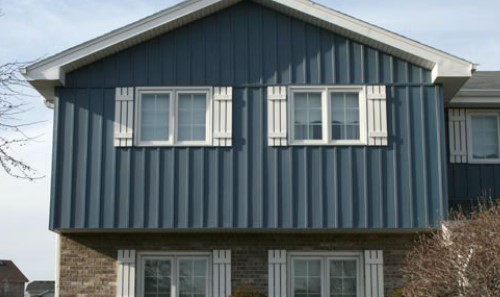
Vinyl insulated siding offers a compelling blend of aesthetics, energy efficiency, and longevity. This material, increasingly popular for its low-maintenance nature and diverse design options, presents a significant upgrade over traditional siding materials. Understanding its composition, installation, and long-term value is key to making an informed decision for your home improvement projects.
From its multi-layered structure providing superior insulation to its resistance to harsh weather conditions, vinyl insulated siding stands out as a practical and visually appealing choice. This guide will delve into the specifics of its material properties, installation processes, cost analysis, environmental considerations, and the wide array of design possibilities available to homeowners.
Vinyl Insulated Siding
Vinyl insulated siding offers a durable and energy-efficient exterior cladding option for homes. Its multi-layered construction and inherent properties contribute to its popularity as a low-maintenance alternative to traditional siding materials.
Vinyl Insulated Siding Composition and Layering
Vinyl insulated siding is a composite material consisting of several distinct layers, each designed to contribute to its overall performance. Typically, it features an outer layer of durable, weather-resistant vinyl, responsible for the siding’s color and aesthetic appeal. Beneath this lies a core layer of rigid foam insulation, significantly enhancing the home’s thermal performance. Finally, a backing layer, often made of a less-expensive vinyl or other suitable material, provides structural support and further contributes to the overall insulation properties. The interaction of these layers creates a system that protects against the elements, provides insulation, and offers a visually appealing exterior.
Thermal Performance Comparison
The thermal performance of various siding materials is a crucial factor in energy efficiency and overall home comfort. Vinyl insulated siding, due to its foam core, offers superior insulation compared to many alternatives. The following table provides a general comparison; specific R-values can vary depending on the product and thickness.
| Material | R-value (approximate) | Cost (relative) | Lifespan (years) |
|---|---|---|---|
| Vinyl Insulated Siding | 3-5 | Medium-High | 30-50 |
| Wood Siding | 0.5-1.5 | Medium-High | 20-30 |
| Aluminum Siding | 0.1-0.3 | Medium | 20-40 |
| Fiber Cement Siding | 0.2-0.5 | High | 30-50 |
UV Resistance and Color Stability
The impact of ultraviolet (UV) radiation from sunlight on vinyl siding is significant. High-quality vinyl insulated siding incorporates UV stabilizers into its formulation, significantly increasing its resistance to fading and degradation. This UV resistance directly impacts the siding’s longevity and color stability, ensuring the siding maintains its appearance for an extended period. The quality of these UV stabilizers and the manufacturing process directly influences the siding’s resistance to color change and cracking. Siding with superior UV protection will retain its original color for a longer duration.
Vinyl Insulated Siding Manufacturing Process
The manufacturing of vinyl insulated siding involves several key stages. Initially, the individual layers – the outer vinyl skin, the insulating foam core, and the backing layer – are produced separately. The vinyl layers are typically created through extrusion, a process that melts and shapes the vinyl material. The foam core is created using specialized techniques depending on the type of foam used. These layers are then precisely combined using lamination techniques, bonding them securely to create the final product. This process is highly automated, ensuring consistent quality and dimensions. Finally, the siding is cut to length, profiled, and packaged for distribution. Advanced technologies ensure precision and efficiency throughout the process.
Installation and Maintenance of Vinyl Insulated Siding
Installing vinyl insulated siding offers a blend of aesthetic appeal and energy efficiency. Proper installation ensures longevity and performance, while regular maintenance prevents costly repairs. This section details the process of installation, addresses potential challenges, and provides a maintenance schedule for optimal siding lifespan.
Vinyl Insulated Siding Installation
Successful vinyl siding installation hinges on careful preparation and meticulous execution. Failure to follow proper procedures can lead to issues such as improper alignment, water damage, and premature deterioration.
- Preparation: Begin by measuring the area to be sided and ordering sufficient materials. Ensure the underlying wall sheathing is sound and free from rot or damage. This often involves repairing any existing problems before beginning installation. Proper preparation is crucial for a successful and long-lasting installation.
- Tools and Materials: Necessary tools include a measuring tape, level, utility knife, saw (circular or hand saw), hammer, drill, caulk gun, and safety glasses. Materials needed include vinyl siding panels, J-channel, starter strip, corner trim, flashing, and appropriate fasteners.
- Installation of Starter Strip and J-Channel: Install the starter strip along the bottom of the wall, ensuring it is level and plumb. Next, install J-channel around windows, doors, and corners to provide a neat finish and protect against water intrusion. Precise measurement and alignment are crucial at this stage to ensure straight lines throughout the installation.
- Panel Installation: Begin installing the siding panels, working from bottom to top and overlapping each panel slightly. Use appropriate fasteners to secure the panels to the wall, avoiding over-tightening which can cause damage. Maintain consistent spacing between panels for a professional look and to allow for expansion and contraction.
- Finishing Touches: Install the remaining trim pieces, such as corner trim and window/door casings. Caulk all seams and joints to prevent water leakage. A final inspection should be conducted to ensure all panels are securely fastened and aligned correctly.
Common Installation Issues and Solutions
Several issues can arise during vinyl siding installation. Addressing these problems promptly prevents significant future complications.
- Uneven Siding: Uneven siding often results from an improperly installed starter strip or inconsistent panel alignment. Solution: Carefully check the levelness of the starter strip and ensure panels are properly aligned before fastening. Re-installation of affected panels may be necessary.
- Gaps and Cracks: Gaps and cracks between panels can allow water intrusion. Solution: Use appropriate caulk to seal gaps and cracks. Ensure proper overlap between panels during installation to minimize gaps.
- Damage During Installation: Accidental damage to panels during installation can occur. Solution: Replace damaged panels immediately. Handle panels carefully to avoid scratches or dents.
Preventative Maintenance Schedule
Regular maintenance ensures the longevity and beauty of your vinyl insulated siding. A proactive approach prevents small problems from escalating into costly repairs.
- Annual Inspection: Conduct a thorough inspection of your siding annually, looking for any signs of damage, such as cracks, dents, or loose panels. Pay close attention to areas prone to water damage, such as corners and around windows and doors.
- Cleaning: Clean your siding at least once a year using a garden hose and a soft-bristled brush. For stubborn stains, a mild detergent solution can be used. Avoid harsh chemicals or pressure washers, which can damage the siding.
Repairing Minor Damage
Minor damage to vinyl siding can often be repaired easily. Quick action prevents small problems from becoming larger, more costly issues.
- Cracks: Small cracks can often be repaired using vinyl siding caulk designed for exterior use. Clean the area thoroughly before applying the caulk, ensuring a strong bond.
- Dents: Minor dents may be able to be pushed back into place using a soft object, such as a putty knife. For more significant dents, panel replacement may be necessary.
Cost and Value of Vinyl Insulated Siding
Choosing new siding is a significant home improvement investment, and understanding the cost and long-term value is crucial. Vinyl insulated siding offers a compelling combination of aesthetics, durability, and energy efficiency, but its overall value depends on several interconnected factors. This section will analyze the initial cost compared to other options, explore the long-term cost-effectiveness, and discuss its impact on resale value.
Initial Cost Comparison
The initial cost of vinyl insulated siding includes material costs, labor costs, and any associated installation fees. It’s essential to compare this to other popular siding materials like wood, fiber cement, and aluminum to determine the best value for your investment. The following table provides a general cost comparison, keeping in mind that actual costs can vary significantly based on geographic location, project size, and labor rates.
| Siding Material | Material Cost (per sq ft) | Labor Cost (per sq ft) | Total Estimated Cost (per sq ft) |
|---|---|---|---|
| Vinyl Insulated | $3 – $8 | $2 – $5 | $5 – $13 |
| Wood Siding | $6 – $15 | $4 – $8 | $10 – $23 |
| Fiber Cement Siding | $8 – $15 | $5 – $10 | $13 – $25 |
| Aluminum Siding | $4 – $10 | $3 – $6 | $7 – $16 |
*Note: These are estimated ranges and actual costs may vary significantly depending on factors such as location, project complexity, and chosen finishes.*
Long-Term Cost-Effectiveness
While the initial cost of vinyl insulated siding might be comparable to or even slightly higher than some alternatives, its long-term cost-effectiveness becomes apparent when considering maintenance, energy savings, and lifespan. Vinyl insulated siding requires minimal maintenance, unlike wood siding which needs regular painting and sealing. Its inherent insulation properties reduce energy consumption for heating and cooling, leading to significant long-term savings on utility bills. A well-installed vinyl siding system can last for decades, minimizing the need for costly replacements compared to materials with shorter lifespans. For example, a homeowner in a colder climate might see a return on investment within 5-7 years due to reduced heating costs alone.
Resale Value Impact
Installing vinyl insulated siding can positively impact a home’s resale value. Buyers often perceive it as a low-maintenance, energy-efficient upgrade, increasing the overall desirability and perceived value of the property. The improved curb appeal and modern aesthetic contribute to a higher asking price and faster sale times. In a competitive real estate market, energy-efficient features like insulated siding are highly sought after, making it a smart investment for homeowners planning to sell in the future. Appraisals often reflect this increased value, particularly in energy-conscious neighborhoods.
Factors Influencing Overall Value
Several factors influence the overall value proposition of vinyl insulated siding. The quality of the materials used, the experience and reputation of the installer, and the specific design choices (color, style) all contribute to the final cost and perceived value. Regional climate also plays a role; the energy savings from insulation are more significant in areas with extreme temperatures. Finally, the homeowner’s personal priorities (low maintenance, energy efficiency, aesthetics) significantly influence the perceived value and whether vinyl insulated siding is the right choice for them.
Environmental Impact and Sustainability
Vinyl siding, while offering numerous benefits in terms of durability and low maintenance, presents a complex environmental profile. Its production, lifespan, and eventual disposal all contribute to its overall environmental impact, necessitating a balanced assessment of its sustainability. Understanding the environmental costs associated with vinyl siding is crucial for making informed decisions regarding its use in construction and renovation projects.
The manufacturing process of vinyl siding is energy-intensive, relying heavily on fossil fuels. Significant energy is consumed in the production of polyvinyl chloride (PVC), the primary component of vinyl siding. Furthermore, the manufacturing process generates waste, including byproducts and packaging materials, which adds to landfill burden. The longevity of vinyl siding, while a positive aspect in terms of reduced replacement frequency, means that its eventual disposal poses a long-term environmental challenge.
Vinyl Siding Production and Waste
Vinyl siding production involves several stages, each contributing to its environmental footprint. The extraction and processing of raw materials, such as petroleum and chlorine, require substantial energy and often lead to air and water pollution. The polymerization process to create PVC also consumes significant energy and can release harmful pollutants. The manufacturing of vinyl siding itself generates waste in the form of scraps, offcuts, and packaging materials. This waste often ends up in landfills, contributing to the problem of solid waste disposal and potential soil and water contamination. Estimates suggest that the production of one square foot of vinyl siding can generate several ounces of waste. Specific data varies depending on manufacturing processes and efficiency levels. For instance, a more modern plant employing advanced waste management techniques will produce less waste than an older facility.
Recyclability of Vinyl Siding Compared to Alternatives
Compared to other siding materials, vinyl siding’s recyclability is relatively low. While some recycling programs exist for vinyl, the process is often complex and less efficient than recycling materials like aluminum or wood. Wood siding, for example, can be reused, repurposed, or easily composted at the end of its life. Aluminum siding is highly recyclable with a well-established infrastructure for collection and processing. The chemical composition of PVC makes it challenging to recycle effectively, often resulting in downcycling, where the recycled material is used for lower-grade applications. This contrasts with the complete recyclability of some materials and the biodegradability of others.
Potential for Recycled Materials in Vinyl Siding Manufacturing
The use of recycled materials in vinyl siding manufacturing is still limited, although there’s growing interest in incorporating recycled PVC content. However, the quality of recycled PVC can be inconsistent, potentially affecting the performance and durability of the final product. Furthermore, the amount of recycled content that can be effectively integrated without compromising product quality remains a significant technological challenge. Research and development are ongoing to improve the quality and consistency of recycled PVC and optimize its use in vinyl siding production. Successful implementation could significantly reduce the reliance on virgin PVC and minimize the environmental impact of the material.
Energy Efficiency and Reduced Environmental Footprint
The energy efficiency of a building plays a significant role in offsetting the environmental impact of its materials, including vinyl siding. Vinyl siding’s inherent insulating properties can contribute to improved energy efficiency, reducing the need for heating and cooling, and thereby lowering energy consumption and greenhouse gas emissions. This energy savings can partially compensate for the environmental costs associated with the production and disposal of the material. For example, a house insulated with vinyl siding might require less energy for climate control over its lifetime, partially mitigating the initial environmental impact of the siding. The degree of offsetting will depend on factors such as climate, building design, and the specific insulation properties of the vinyl siding used.
Aesthetic Considerations and Design Options
Vinyl insulated siding offers a surprisingly diverse range of aesthetic options, allowing homeowners to significantly enhance their curb appeal and personalize their home’s exterior. The ability to customize both color and texture provides a level of design flexibility rarely found in other siding materials. This section explores the various design choices available and their impact on different architectural styles.
Color Choices and Their Visual Impact
The sheer variety of color options available in vinyl insulated siding is a key selling point. From classic whites and creams to bold blues, greens, and reds, the palette allows for a wide spectrum of visual effects. Lighter colors, such as off-white or light gray, can create a feeling of spaciousness and openness, particularly beneficial for smaller homes or those in shaded areas. They also reflect sunlight, potentially reducing cooling costs. Conversely, darker colors can lend a more dramatic and sophisticated look, though they might absorb more heat. Consider the surrounding landscape and the overall style of the neighborhood when choosing a color; a harmonious blend will maximize the visual appeal. For example, a deep navy blue siding might beautifully complement a home nestled amongst evergreen trees, while a warm beige might be ideal for a home situated in a sun-drenched, desert environment.
Texture and Profile Options
Beyond color, vinyl insulated siding offers a variety of textures and profiles to further enhance aesthetic appeal. Common textures mimic natural materials like wood grain, offering a realistic and inviting look without the maintenance demands of real wood. Profiles, which refer to the shape and dimension of the siding panels, range from traditional clapboard to more contemporary styles like vertical or shake siding. A smooth profile might be preferred for a modern home, while a wood-grained clapboard could be ideal for a more traditional or craftsman-style house. The interplay between texture and profile can create significant visual interest, allowing for subtle or dramatic effects depending on the desired outcome.
Vinyl Siding and Architectural Styles
The versatility of vinyl insulated siding makes it suitable for a wide array of architectural styles. For instance, a traditional colonial home might be beautifully complemented by classic white clapboard siding with a subtle wood grain texture. A ranch-style house could benefit from horizontal siding in a warm earth tone, creating a sense of groundedness and stability. Modern homes might look striking with sleek, vertical siding in a bold color, emphasizing clean lines and contemporary design. Even more eclectic styles, such as Victorian or Mediterranean, can be enhanced with vinyl siding that complements the intricate details and ornamentation of the architecture, albeit choosing a profile and color that avoids overpowering the existing features.
Visual Representation of Vinyl Siding Designs
Imagine a charming Cape Cod style home, painted a soft, creamy white, adorned with dark green vinyl insulated siding shutters and a contrasting deep-blue front door. The siding itself features a subtle wood grain texture and a classic clapboard profile, adding a touch of rustic charm to the overall aesthetic. Next, picture a contemporary, two-story home with a flat roof, showcasing sleek, vertical vinyl siding in a sophisticated charcoal gray. The clean lines of the siding perfectly complement the minimalist design of the home, creating a modern and stylish look. Finally, envision a sprawling ranch-style house, featuring horizontal vinyl siding in a warm, earthy tone reminiscent of aged barn wood. The texture mimics the natural grain of wood, while the color palette creates a welcoming and inviting atmosphere. These examples demonstrate how the choice of siding can dramatically alter the perception and aesthetic impact of a home, regardless of its architectural style.
Ultimate Conclusion
Ultimately, the decision to install vinyl insulated siding involves weighing the initial investment against the long-term benefits. While the upfront cost might be higher than some alternatives, the energy savings, reduced maintenance, and increased home value often make it a worthwhile investment. By carefully considering the factors outlined in this guide, homeowners can confidently assess whether vinyl insulated siding aligns with their needs and budget, ultimately enhancing both the beauty and value of their homes.
Read more:
- Best Insulated Siding For Energy Savings
- Energy Efficient Insulated Siding A Comprehensive Guide
- Fiber Cement Insulated Siding A Comprehensive Guide
- How To Install Insulated Siding
- Insulated Siding Installation Cost
- Vinyl Insulated Siding A Comprehensive Guide
- Wood Insulated Siding A Comprehensive Guide
