Insulated Siding Installation Cost
- Supra Home Student
- 2025 February 05T17:35
- Home Insulated
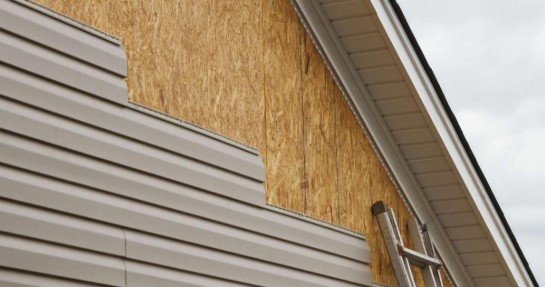
Insulated siding installation cost is a significant factor in home improvement projects. Understanding the various elements that contribute to the final price, from material selection and labor to regional pricing fluctuations and project complexity, is crucial for homeowners planning renovations. This exploration delves into the intricacies of insulated siding installation costs, providing a comprehensive guide to help you navigate this important financial aspect of your home improvement journey.
This guide breaks down the cost factors, including material types (vinyl, fiber cement, metal), labor rates, regional differences, and project complexities such as removing existing siding or working with unusual house shapes. We’ll explore average cost ranges per square foot, providing examples of projects with varying sizes and complexities to illustrate the range of potential expenses. Furthermore, we’ll walk you through the installation process, offering tips for finding and selecting a reputable contractor, and discussing the importance of maintenance and the lifespan of different insulated siding materials. By the end, you’ll have a clear understanding of the costs involved and how to make informed decisions for your home improvement project.
Factors Affecting Insulated Siding Installation Cost
The cost of installing insulated siding is influenced by a variety of factors, making it crucial to understand these variables before embarking on a project. A comprehensive understanding will allow for accurate budgeting and realistic expectations regarding the final expense. These factors interact in complex ways, so a thorough assessment is essential.
Factors Influencing Insulated Siding Installation Cost
Several key elements significantly impact the overall cost of an insulated siding installation. These factors, when considered together, provide a clear picture of the total project expense. The following table provides a detailed breakdown.
| Factor | Description | Impact on Cost | Example |
|---|---|---|---|
| Material Type | The type of insulated siding chosen (e.g., vinyl, fiber cement, metal). | Significantly affects cost; vinyl is generally the least expensive, while fiber cement and metal are more costly. | Vinyl siding might cost $5-$15 per square foot, while fiber cement could range from $10-$30 per square foot. |
| House Size | The square footage of the house’s exterior walls needing siding. | Directly proportional; larger houses require more materials and labor, increasing the cost. | A 2,000 sq ft house will cost considerably more than a 1,000 sq ft house. |
| Labor Rates | The hourly or daily rate charged by the installation crew. | Varies by region and contractor experience; higher rates mean higher overall costs. | Labor costs in a high-demand area could be 20-30% higher than in a less populated area. |
| Regional Variations | Differences in material costs, labor rates, and permitting fees across different geographical locations. | Can lead to substantial cost differences; materials and labor are typically more expensive in urban areas. | Installation in a major metropolitan area will likely be more expensive than in a rural setting. |
Cost Comparison of Insulated Siding Materials
The choice of insulated siding material significantly impacts the project’s cost. Each material offers a unique balance of durability, aesthetics, and price.
| Material | Cost per Square Foot | Durability | Maintenance | Aesthetics |
|---|---|---|---|---|
| Vinyl | $5 – $15 | Moderate; susceptible to damage from impact | Low; typically requires minimal upkeep | Wide variety of colors and styles available |
| Fiber Cement | $10 – $30 | High; resistant to fire, insects, and moisture | Moderate; may require periodic painting | Can mimic the look of wood or other materials |
| Metal | $15 – $40+ | Very High; extremely durable and long-lasting | Low; highly resistant to damage and decay | Modern and sleek appearance; often available in various colors |
Impact of Project Complexity on Installation Costs
The complexity of the project significantly influences the final cost. Factors such as existing siding removal and the house’s shape directly affect labor time and material usage.
For example, removing existing siding adds considerable time and labor to the project, increasing the overall cost. A simple rectangular house is easier and faster to side than a house with complex angles, dormers, or multiple levels, resulting in higher labor costs for the latter. Houses requiring significant repairs or specialized techniques to accommodate difficult architectural features will also lead to higher expenses. A project requiring specialized scaffolding or extensive preparation work to address underlying issues like water damage or rot will increase the cost substantially compared to a straightforward installation.
Average Cost Ranges for Insulated Siding Installation
Understanding the cost of insulated siding installation is crucial for budgeting your home improvement project. Several factors influence the final price, including the type of siding chosen, the size and complexity of your home, and regional variations in labor costs. This section provides a clearer picture of typical cost ranges.
Cost Ranges Per Square Foot by Material and Region
The cost of insulated siding installation varies significantly depending on the material selected and your geographic location. Labor rates, material availability, and even local competition all play a role. The table below offers a general overview of typical cost ranges. Keep in mind these are estimates, and actual costs can vary.
| Material Type | Northeast US (per sq ft) | Southeast US (per sq ft) | Midwest US (per sq ft) |
|---|---|---|---|
| Vinyl | $8-$15 | $7-$12 | $7.50-$13 |
| Fiber Cement | $12-$20 | $10-$17 | $11-$18 |
| Aluminum | $15-$25 | $13-$22 | $14-$23 |
| Steel | $18-$30 | $15-$25 | $16-$28 |
Project Cost Examples
The total cost of your insulated siding installation will depend heavily on the square footage of your home and the complexity of the project. Here are a few examples illustrating this variability:
The following examples represent typical scenarios and associated costs. These are estimates and should not be considered exact figures.
- Small Ranch House (1,500 sq ft): Vinyl siding installation might cost between $12,000 and $22,500. This assumes a relatively straightforward installation with minimal prep work.
- Two-Story Colonial (2,500 sq ft): Fiber cement siding on this larger home could range from $30,000 to $50,000. The increased square footage and potential for more complex detailing significantly impacts the cost.
- Complex Victorian Home (3,500 sq ft with intricate trim): Steel siding on a home with extensive trim and architectural details might cost between $63,000 and $105,000. The labor-intensive nature of working around complex features drives up the price.
Cost Variation Based on Customization and Finishing Touches
Adding custom features and finishing touches can substantially increase the cost per square foot. These extras can range from simple upgrades to extensive design modifications.
The following examples demonstrate how customization can affect the overall cost.
- Standard Installation: A basic installation with standard siding and minimal prep work will generally fall within the cost ranges outlined in the table above.
- Custom Colors and Textures: Choosing non-standard colors or textures might add 10-20% to the overall cost, depending on the material and the supplier.
- Extensive Trim and Detailing: Homes with complex architectural features requiring extensive trim work can increase the cost by 25-50% or more, due to the added labor and material requirements.
- Window and Door Surround Upgrades: Upgrading window and door surrounds with custom materials or finishes can add a significant amount to the total cost, often exceeding $1000 depending on the scope of the work.
Breaking Down the Insulated Siding Installation Process
Insulated siding installation is a multi-step process requiring precision and attention to detail. A thorough understanding of each stage is crucial for a successful and cost-effective project. Improper installation can lead to issues ranging from aesthetic flaws to compromised energy efficiency, ultimately increasing repair costs.
Step-by-Step Insulated Siding Installation
The installation process typically follows these steps:
- Preparation: This crucial initial phase involves measuring the area to be sided, removing old siding (if applicable), repairing any underlying damage to the house’s exterior (such as rotted wood or damaged sheathing), and ensuring the surface is clean, dry, and level. Proper preparation prevents future problems and saves time and money during the main installation.
- Framing and Sheathing (if necessary): If the existing wall structure isn’t suitable for direct siding installation, new framing or sheathing may be required to create a smooth, even surface. This is especially common with older homes or those needing significant repairs.
- Installation of Starter Strips: These strips provide a solid base for the first row of siding panels, ensuring a straight and level start. Proper alignment at this stage is vital for the overall look of the finished project.
- Siding Panel Installation: Panels are installed horizontally, overlapping each other according to manufacturer’s specifications. Careful attention is paid to ensuring proper alignment, sealing, and fastening to prevent water penetration and air leakage.
- Installation of Trim and Accessories: This includes installing corner pieces, J-channels, and other trim elements to complete the look and provide a professional finish. Accurate measurements and precise cuts are essential for a seamless appearance.
- Caulking and Sealing: All seams and gaps are carefully caulked and sealed to prevent water intrusion and improve energy efficiency. This is a critical step in protecting the home from the elements.
- Cleanup: Removing debris and disposing of waste materials properly completes the installation process. A thorough cleanup leaves the property neat and tidy.
Potential Installation Challenges and Their Cost Implications
Several factors can complicate the installation process and drive up costs.
- Unexpected Underlying Damage: Discovering rotted wood or significant structural issues during the preparation phase necessitates repairs, adding time and expense to the project. For example, finding extensive water damage behind old siding could increase costs by thousands of dollars.
- Complex House Design: Homes with intricate designs, many angles, or unusual features require more time and specialized techniques, increasing labor costs. A house with numerous dormers or bay windows will typically be more expensive to side than a simple rectangular structure.
- Difficult Access: Homes with steep slopes or limited access points can make installation more challenging and time-consuming, potentially requiring specialized equipment or scaffolding, leading to higher costs.
- Material Shortages or Delays: Unexpected delays in material delivery can disrupt the project timeline and increase overall expenses due to potential labor cost overruns and project scheduling complications. A recent example of this is the lumber shortage experienced in 2021.
- Improper Installation Techniques: Mistakes during installation, such as incorrect panel alignment or inadequate sealing, can lead to future problems requiring costly repairs or replacements. For example, improperly sealed seams could lead to water damage, requiring the removal and replacement of sections of siding.
Importance of Proper Preparation and Its Impact on Costs
Neglecting proper preparation is a common cause of increased installation costs.
For instance, failing to identify and repair underlying water damage before installing new siding will likely lead to future problems like mold growth or structural damage. These problems require extensive repairs, potentially costing significantly more than addressing the initial damage during the preparation phase. Similarly, inadequate cleaning of the existing surface before installation can lead to poor adhesion of the new siding, resulting in premature failure and necessitating costly replacement. In short, investing time and effort in thorough preparation is a cost-effective measure that safeguards against more significant expenses down the line.
Finding and Selecting a Contractor
Choosing the right contractor is crucial for a successful insulated siding installation. A poorly chosen contractor can lead to subpar workmanship, cost overruns, and significant headaches. Careful selection and due diligence will ensure a smooth process and a long-lasting, beautiful result.
Selecting a qualified and reputable contractor involves several key steps to protect your investment and ensure a high-quality installation. Consider these factors to avoid potential problems.
Contractor Selection Criteria
Finding the right contractor requires careful consideration of several factors. These factors help ensure you’re working with a professional who can deliver the results you expect.
- Experience and Specialization: Look for contractors with proven experience in insulated siding installation. Years of experience demonstrate a level of skill and familiarity with the process, leading to better results and fewer potential problems. Specialization in insulated siding, as opposed to general contracting, suggests a higher level of expertise.
- Licensing and Insurance: Verify that the contractor holds the necessary licenses and insurance for the work. This protects you from liability in case of accidents or damage during the installation. Confirm the insurance covers workers’ compensation and general liability.
- References and Reviews: Request references from previous clients and check online reviews on platforms like Google, Yelp, or Angie’s List. Contacting previous clients directly provides valuable insights into the contractor’s work ethic, communication skills, and overall quality of service.
- Warranty and Guarantees: Inquire about the warranty offered on both the materials and the workmanship. A comprehensive warranty demonstrates the contractor’s confidence in their work and provides recourse if issues arise after the installation.
- Clear Communication: Effective communication is essential. Choose a contractor who responds promptly to your inquiries, clearly explains the process, and keeps you informed throughout the project. Open communication minimizes misunderstandings and potential disputes.
Obtaining and Comparing Multiple Quotes
It’s vital to obtain at least three quotes from different contractors before making a decision. Comparing quotes allows for a thorough assessment of pricing, services offered, and overall value.
When reviewing quotes, pay close attention to the following:
- Detailed Breakdown of Costs: Ensure the quote clearly itemizes all costs, including materials, labor, permits, and any other associated expenses. This transparency helps in comparing quotes accurately and prevents hidden costs from arising later.
- Payment Schedule: Understand the payment terms and schedule. Avoid contractors who request full payment upfront. A staggered payment schedule, tied to project milestones, is generally recommended.
- Project Timeline: Clarify the estimated project duration and any potential delays. A realistic timeline allows for proper planning and minimizes disruptions to your schedule.
- Materials Specifications: The quote should specify the type and quality of materials to be used. This ensures you understand what you’re paying for and that the materials meet your expectations.
Verifying Contractor Credentials
Verification of a contractor’s credentials is a crucial step in ensuring you’re hiring a reputable and qualified professional. This process protects you from potential scams and ensures the work is done correctly and legally.
Examples of questions to ask potential contractors include:
- Can you provide proof of your contractor’s license and insurance?
- May I see examples of your previous work (photos or addresses)?
- What is your process for handling complaints or disputes?
- What type of warranty do you offer on your workmanship and materials?
- Can you provide references from previous clients?
Maintenance and Lifespan of Insulated Siding
Insulated siding, while offering excellent energy efficiency and aesthetic appeal, requires proper maintenance to ensure its longevity and continued performance. Understanding the expected lifespan and maintenance needs of different materials is crucial for homeowners to make informed decisions and budget accordingly. Ignoring maintenance can lead to premature deterioration and costly repairs.
Expected Lifespan of Different Insulated Siding Materials
The lifespan of insulated siding varies considerably depending on the material used, the quality of installation, and the environmental conditions. Factors like exposure to harsh weather, UV radiation, and the presence of pests can significantly impact the longevity of the siding. Proper maintenance plays a critical role in mitigating these factors and extending the lifespan of the material.
| Material | Expected Lifespan (Years) | Maintenance Requirements |
|---|---|---|
| Vinyl | 30-50 | Periodic cleaning with soap and water; occasional repair of minor damage. |
| Fiber Cement | 50-80 | Regular cleaning; painting every 5-10 years; repair of cracks or damage. |
| Aluminum | 40-60 | Regular cleaning; repainting or refinishing as needed; repair of dents or damage. |
| Wood | 20-40 (with proper maintenance) | Regular painting or staining; treatment for pests and rot; repair of damaged areas. |
Importance of Regular Maintenance
Regular maintenance is essential for preserving the appearance and extending the lifespan of insulated siding. Neglecting maintenance can lead to premature aging, damage, and reduced energy efficiency. Regular inspections and proactive maintenance can prevent small problems from escalating into costly repairs.
Common Maintenance Tasks and Frequency
A well-defined maintenance schedule is key to maximizing the lifespan of insulated siding. This schedule should include tasks such as:
- Annual Inspection: A thorough visual inspection for damage, loose panels, or signs of deterioration.
- Cleaning: Washing the siding with soap and water at least once or twice a year to remove dirt, grime, and mildew. Power washing should be done carefully to avoid damage.
- Caulk Repair: Inspecting and repairing caulking around windows, doors, and other areas where water penetration might occur.
- Repair of Minor Damage: Addressing minor damage promptly, such as replacing loose or damaged panels or repairing small cracks.
Potential Issues and Their Solutions
Over time, several issues can arise with insulated siding. Understanding these issues and their solutions is important for timely intervention and cost-effective repairs.
- Cracks and Gaps: Cracks can be repaired using appropriate fillers or sealants. Gaps may require replacing damaged panels.
- Mildew and Mold: Regular cleaning and the use of mildew-resistant cleaners can prevent and address mildew and mold growth.
- Pest Infestation: Inspecting for and addressing any pest infestations promptly is crucial to prevent significant damage. Professional pest control may be necessary.
- Fading and Discoloration: Regular cleaning and, in the case of painted siding, repainting can help maintain the color and appearance of the siding. UV-resistant coatings can also help prevent fading.
Ultimate Conclusion
Ultimately, the cost of insulated siding installation is highly variable, influenced by a complex interplay of factors. By carefully considering material choices, contractor selection, project scope, and regional pricing, homeowners can effectively budget for their projects and achieve their desired aesthetic and energy-efficiency goals. Remember, thorough planning and research are key to a successful and cost-effective insulated siding installation. Investing the time upfront will yield significant long-term benefits in terms of both cost savings and home value appreciation.
Read more:
- Best Insulated Siding For Energy Savings
- Energy Efficient Insulated Siding A Comprehensive Guide
- Fiber Cement Insulated Siding A Comprehensive Guide
- How To Install Insulated Siding
- Insulated Siding Installation Cost
- Vinyl Insulated Siding A Comprehensive Guide
- Wood Insulated Siding A Comprehensive Guide
