Fiber Cement Insulated Siding: A Comprehensive Guide
- Supra Home Student
- 2025 February 04T13:39
- Home Insulated
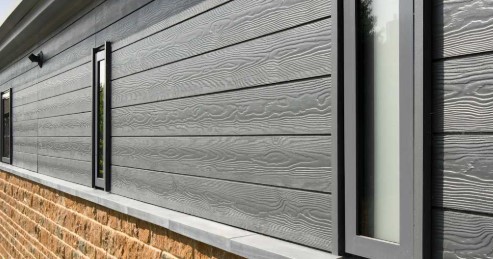
Fiber cement insulated siding presents a compelling blend of aesthetics, durability, and energy efficiency. This innovative building material offers homeowners a long-lasting, low-maintenance exterior solution that enhances curb appeal while contributing to significant energy savings. We’ll explore its composition, installation, environmental impact, cost considerations, and design versatility, providing a thorough understanding of its benefits and applications.
From its manufacturing process involving a mixture of cement, cellulose fibers, and other additives, to its superior performance compared to traditional siding materials like vinyl or wood, fiber cement insulated siding stands out as a top contender for modern construction and renovation projects. Its inherent strength, resistance to moisture and fire, and excellent thermal properties contribute to a robust and energy-efficient building envelope.
Material Composition and Properties of Fiber Cement Insulated Siding
Fiber cement insulated siding offers a compelling blend of aesthetics, durability, and energy efficiency. This composite material provides a robust and attractive exterior cladding solution for residential and commercial buildings, combining the strength of cement with the insulating properties of a foam core. Understanding its composition and properties is crucial for assessing its suitability in various applications.
Manufacturing Process of Fiber Cement Insulated Siding
The manufacturing process begins with the preparation of a cement-based slurry. This slurry typically includes Portland cement, cellulose fibers (often wood pulp), silica sand, and other additives to enhance properties like strength, workability, and water resistance. This mixture is then combined with a pre-formed insulating core, usually made of expanded polystyrene (EPS) or polyurethane foam. The slurry is carefully applied to the core, ensuring even coverage and bonding. The composite panel is then cured under controlled temperature and humidity conditions to achieve optimal strength and durability. Finally, the panels are cut to size, and a variety of finishes, including textures and colors, are applied to create the desired aesthetic appeal.
Key Components and Their Roles
Several key components contribute to the overall performance of fiber cement insulated siding. Portland cement provides the structural strength and rigidity of the panel. Cellulose fibers enhance the panel’s tensile strength and reduce cracking. Silica sand acts as a filler and improves the material’s density. The insulating core (EPS or polyurethane foam) significantly improves the thermal performance of the siding, reducing energy consumption for heating and cooling. Additives such as water-repellent agents further enhance durability and weather resistance.
Thermal Properties Compared to Other Siding Materials
Fiber cement insulated siding exhibits superior thermal performance compared to many traditional siding materials. Its integrated insulation layer significantly reduces heat transfer, leading to lower energy bills. In comparison to vinyl siding, which offers minimal insulation, fiber cement insulated siding provides a considerable improvement in R-value (a measure of thermal resistance). Compared to wood siding, which has some inherent insulating properties, fiber cement insulated siding often offers a higher R-value, especially when considering the added insulation core. The exact R-value varies depending on the thickness of the insulation core and the specific product.
Durability and Longevity Under Various Weather Conditions
Fiber cement insulated siding is renowned for its exceptional durability and longevity. Its resistance to moisture, rot, insect infestation, and extreme temperatures makes it suitable for diverse climates. Unlike wood, it won’t rot or attract termites. Unlike vinyl, it’s less prone to cracking or fading under intense sun exposure. Proper installation and maintenance are crucial to maximize its lifespan, which can extend for several decades with minimal deterioration. However, exposure to extreme freeze-thaw cycles can potentially cause some surface cracking over time, though this is generally minor.
Strength, Moisture Resistance, and Fire Resistance Comparison
| Property | Fiber Cement Insulated Siding | Vinyl Siding | Wood Siding |
|---|---|---|---|
| Strength | High | Moderate | Moderate to High (depending on wood type) |
| Moisture Resistance | Excellent | Good | Poor |
| Fire Resistance | Excellent (non-combustible) | Poor (flammable) | Poor (flammable) |
Installation and Maintenance of Fiber Cement Insulated Siding
Fiber cement insulated siding offers a durable and energy-efficient exterior cladding solution. Proper installation is crucial for maximizing its lifespan and performance, while regular maintenance ensures its continued beauty and functionality. This section details the installation process, addresses potential challenges, and outlines a comprehensive maintenance plan.
Step-by-Step Installation Guide
Installing fiber cement insulated siding involves several key steps. First, the existing siding must be removed, and the underlying structure inspected for any damage requiring repair. Next, furring strips are often installed to create a proper air gap for ventilation and insulation. Then, the sheathing is prepared, ensuring it is clean, dry, and level. The first course of siding is installed, typically starting at a corner or a designated point, using appropriate fasteners. Subsequent courses are then installed, overlapping and aligning according to manufacturer instructions. J-channels, corner trims, and other accessories are installed as needed to complete the installation. Finally, caulking is applied to seal any gaps and ensure watertightness. Accurate measurements and precise cutting are vital throughout the process.
Common Installation Challenges and Solutions
Several challenges can arise during fiber cement siding installation. Uneven walls can cause difficulty in aligning siding panels, necessitating careful preparation and the potential use of shims to level the surface. Incorrect fastener placement can lead to cracking or damage, emphasizing the importance of following manufacturer guidelines. Cutting the panels precisely to fit around windows and doors requires careful measurement and the use of appropriate tools. Working with large panels can be physically demanding, requiring proper lifting techniques and potentially additional assistance. In cases of significant wall irregularities, professional installation is highly recommended.
Best Practices for Maintaining and Cleaning Fiber Cement Insulated Siding
Regular cleaning is essential for maintaining the appearance and longevity of fiber cement siding. A simple solution of water and mild detergent applied with a soft brush or sponge is usually sufficient for removing dirt and grime. Power washing should be avoided as it can damage the surface. For stubborn stains, a specialized cleaner designed for fiber cement siding can be used, following the manufacturer’s instructions carefully. Regular inspection for any signs of damage, such as cracks or loose panels, is also crucial. Prompt attention to any such issues prevents further damage and ensures the continued integrity of the siding.
Preventative Maintenance Schedule for Fiber Cement Insulated Siding
A proactive approach to maintenance significantly extends the lifespan of fiber cement insulated siding. The following schedule outlines essential tasks and their frequency:
- Annual Inspection: A thorough visual inspection for any signs of damage, loose panels, or caulking failure. This should include checking for water damage and addressing any issues promptly.
- Bi-annual Cleaning: Clean the siding twice a year using a gentle solution of water and mild detergent. This removes accumulated dirt and prevents staining.
- As-needed Caulking Repair: Repair any cracked or deteriorated caulking around windows, doors, and other areas as needed. This prevents water infiltration.
- Every 5 years: A more in-depth inspection, potentially involving a professional assessment, to identify any underlying issues and address potential problems before they become significant.
Environmental Impact and Sustainability
Fiber cement insulated siding presents a complex environmental profile, balancing its long lifespan and potential for resource conservation against the energy demands of its manufacturing process. A thorough assessment requires considering the entire lifecycle, from raw material extraction to eventual disposal or recycling.
The environmental impact of fiber cement siding is multifaceted. Manufacturing involves energy-intensive processes, including the production of cement, which is a significant source of greenhouse gas emissions. The extraction and transportation of raw materials like cement, sand, cellulose fibers, and wood pulp also contribute to the overall carbon footprint. However, the inherent durability and longevity of fiber cement siding offset some of these initial impacts. Its resistance to rot, insect damage, and fire reduces the need for frequent replacements, minimizing the environmental burden associated with repeated manufacturing and disposal cycles.
Manufacturing Process and Greenhouse Gas Emissions
Cement production, a key component of fiber cement siding manufacturing, is a significant contributor to global greenhouse gas emissions. The high-temperature calcination process involved in cement production releases significant amounts of carbon dioxide. However, advancements in cement production technologies, such as the use of supplementary cementitious materials (SCMs) like fly ash and slag, are helping to reduce the carbon footprint of cement, and thus the overall environmental impact of fiber cement siding. These SCMs reduce the amount of clinker needed, lowering CO2 emissions. Furthermore, manufacturers are increasingly adopting energy-efficient production methods and exploring the use of renewable energy sources to power their facilities.
Comparison with Other Siding Options
Compared to other siding materials, fiber cement offers a mixed environmental profile. While it generally has a higher upfront carbon footprint than vinyl siding, its much longer lifespan and greater durability lead to a lower overall environmental impact over its service life. Wood siding, while a renewable resource, can have a significant carbon footprint depending on the sourcing and transportation of the timber. Metal siding, while recyclable, requires significant energy input during its manufacturing process. A comprehensive life-cycle assessment (LCA) comparing different siding materials is necessary to make a definitive judgment on the most environmentally friendly option. Such studies often account for factors like material sourcing, manufacturing, transportation, installation, maintenance, and end-of-life disposal.
Sustainable Practices in Production and Disposal
Several sustainable practices are employed in the production and disposal of fiber cement siding. The use of recycled materials, such as fly ash and slag in cement production, is a key element. Some manufacturers also utilize reclaimed wood fibers in their formulations. End-of-life management strategies are evolving, with some manufacturers exploring recycling and reuse options. The material’s inherent durability reduces the frequency of replacements, minimizing the overall environmental burden. Responsible sourcing of raw materials, such as sustainably harvested wood pulp, further contributes to the product’s sustainability. Proper disposal through established recycling programs or responsible demolition and salvage efforts can also reduce landfill waste.
Recyclability and Potential for Reuse
Fiber cement siding is not readily recyclable in the same way as some other materials. However, its components can be potentially recovered and reused in other applications. For example, the cement component can be used in construction aggregate, and some fiber components might be incorporated into other building materials. The development of effective recycling infrastructure for fiber cement siding is an ongoing area of research and development. Furthermore, careful demolition practices that allow for the salvage and reuse of intact siding panels can extend the material’s lifecycle and reduce waste.
Environmental Impact Across the Lifecycle
| Lifecycle Stage | Environmental Impact | Mitigation Strategies | Example/Data |
|---|---|---|---|
| Raw Material Extraction | Land use, water consumption, habitat disruption | Sustainable sourcing, minimizing transportation distances | Reduced reliance on virgin materials through use of recycled content |
| Manufacturing | Greenhouse gas emissions (cement production), energy consumption | Use of SCMs, energy-efficient processes, renewable energy | X% reduction in CO2 emissions through SCM utilization (industry average data) |
| Transportation | Fuel consumption, greenhouse gas emissions | Optimized logistics, regional manufacturing | Reduced transport distances through localized production facilities |
| Installation & Maintenance | Waste generation (packaging), energy use for tools | Efficient installation techniques, minimal waste generation | Data on waste generation from typical installation projects |
| End-of-Life | Landfill disposal, potential for recycling/reuse | Recycling programs, reuse of components | Potential for X% material recovery through innovative recycling methods |
Cost and Value Considerations
Choosing exterior siding involves a careful consideration of initial costs, long-term expenses, and the overall return on investment. Fiber cement insulated siding, while often having a higher upfront cost than some alternatives, presents a compelling value proposition due to its durability, energy efficiency, and low maintenance requirements. This section will analyze the financial aspects of choosing fiber cement insulated siding, comparing it to other options and exploring strategies for maximizing cost-effectiveness.
Comparison of Initial Costs
Fiber cement insulated siding typically has a higher initial cost compared to vinyl or aluminum siding. However, its price is often lower than that of wood siding, particularly when factoring in the cost of regular maintenance and potential wood rot. The price variation depends on factors such as the siding’s thickness, texture, and the complexity of the installation. For example, a basic fiber cement board might cost between $3 and $8 per square foot, while premium options with intricate textures can exceed $10 per square foot. Vinyl siding, in contrast, might range from $1 to $4 per square foot, and aluminum siding from $2 to $6 per square foot. These are rough estimates and actual prices will vary depending on location and supplier.
Long-Term Cost Savings
The energy efficiency inherent in fiber cement insulated siding translates to significant long-term savings. Its insulating properties reduce the amount of energy needed to heat and cool a home, resulting in lower utility bills. This energy efficiency can lead to annual savings of hundreds, or even thousands, of dollars depending on the climate, home size, and existing insulation levels. For instance, a homeowner in a colder climate might see a 15-20% reduction in heating costs compared to a home with traditional siding. Furthermore, the low maintenance requirements of fiber cement siding reduce the need for frequent repairs and replacements, resulting in further cost savings over the lifespan of the siding.
Return on Investment (ROI)
The ROI of fiber cement insulated siding is a complex calculation dependent on various factors, including initial cost, energy savings, maintenance costs, and the lifespan of the siding. While a precise ROI figure is difficult to provide without specific project details, several studies suggest that the energy savings alone can often offset the higher initial cost within a reasonable timeframe (typically 5-10 years), leading to a positive ROI over the siding’s 50+ year lifespan. The reduced maintenance needs further enhance the return on investment.
Factors Influencing Installation Costs
Several factors contribute to the overall cost of installing fiber cement insulated siding. These include the size and complexity of the house’s exterior, the need for additional labor (e.g., removing existing siding, repairing underlying sheathing), the chosen installer’s pricing, and the cost of any necessary permits. For example, a simple, single-story home with a straightforward exterior will likely have a lower installation cost compared to a multi-story home with complex architectural details. The cost of labor can also vary significantly depending on location and demand.
Cost-Effective Installation Strategies
Careful planning can significantly reduce the overall installation costs.
- Choose a reputable but competitively priced installer: Obtain multiple quotes from different contractors to compare prices and services.
- Prepare the surface properly: Addressing any underlying issues, such as damaged sheathing, before installation can prevent costly delays and repairs down the line.
- Consider DIY installation (with caution): While DIY is possible, it requires significant skill and experience. Incorrect installation can lead to future problems and negate cost savings.
- Purchase materials in bulk: Buying larger quantities of siding can often result in discounts from suppliers.
- Plan the project carefully: A well-planned installation minimizes waste and reduces labor costs.
Design and Aesthetics
Fiber cement insulated siding offers a compelling blend of performance and aesthetics, making it a versatile choice for a wide range of architectural styles and design preferences. Its inherent properties allow for a clean, modern look while also complementing more traditional designs. The ability to customize color and texture significantly impacts the overall visual appeal of any structure.
Fiber cement siding’s adaptability to diverse architectural styles is a key advantage.
Architectural Style Implementation
Fiber cement insulated siding seamlessly integrates into various architectural styles. For instance, its clean lines and ability to mimic other materials make it ideal for modern and contemporary homes, often seen in sleek, minimalist designs with large windows. In more traditional styles like Craftsman or Farmhouse, it can be used to create a charming, rustic aesthetic with its textured finishes and earth-toned colors. Even in Victorian or Colonial designs, fiber cement siding can successfully blend in, offering durability and low maintenance while maintaining historical character through appropriate color and trim choices. The material’s versatility extends to commercial buildings as well, where it can contribute to a professional and modern appearance.
Color and Texture Influence
Color selection significantly impacts the overall aesthetic. Lighter colors reflect sunlight, reducing heat absorption and lowering energy costs, while darker colors can create a bolder, more dramatic look. Texture plays a crucial role; smooth finishes lend a modern, clean feel, while textured finishes can evoke a more rustic or traditional appearance, mimicking wood grain or even stone. The interplay of color and texture allows for a wide range of design possibilities, from subtle and understated to bold and striking. For example, a deep gray with a wood-grain texture can create a sophisticated, modern farmhouse look, whereas a light beige with a smooth finish might suit a contemporary minimalist design.
Versatility in Building Designs
Fiber cement insulated siding adapts to various building designs, from single-family homes to multi-unit dwellings and commercial structures. Its adaptability to different shapes and sizes, including complex curves and angles, makes it suitable for both simple and intricate designs. The ease of installation and the availability of various profiles and accessories further enhance its versatility, allowing for creative design solutions. This material can be incorporated into both new construction and renovation projects, effectively updating the look of older buildings while enhancing energy efficiency.
Integration with Other Building Materials
Successful integration with other building materials is crucial for a cohesive design. Fiber cement siding pairs well with a variety of materials, including brick, stone, stucco, and wood. Careful consideration of color and texture coordination is key to achieving a harmonious look. For example, a home might feature fiber cement siding on the main body, complemented by stone accents around the base and windows, creating a visually appealing contrast. The use of complementary colors and textures helps create a balanced and aesthetically pleasing design. Similarly, using matching or contrasting trim colors can enhance the overall visual appeal.
Modern Home Design Example
Imagine a two-story modern home with clean lines and large windows. The exterior is clad in charcoal gray fiber cement insulated siding with a smooth finish, creating a sleek and sophisticated appearance. The siding’s subtle texture adds depth without detracting from the minimalist aesthetic. Large expanses of glass are framed by dark bronze window frames, creating a sharp contrast against the dark siding. A flat roofline and a minimalist landscaping design further enhance the home’s modern appeal. The overall effect is a striking, contemporary residence that showcases the versatility and aesthetic appeal of fiber cement insulated siding.
Last Word
Ultimately, fiber cement insulated siding emerges as a smart investment for homeowners prioritizing longevity, energy efficiency, and aesthetic appeal. Its superior performance characteristics, coupled with relatively low maintenance requirements and long-term cost savings, position it as a leading choice in the siding market. By carefully considering factors such as initial cost, installation complexity, and design integration, homeowners can harness the full potential of this versatile and durable material to enhance the value and comfort of their homes.
Read more:
- Best Insulated Siding For Energy Savings
- Energy Efficient Insulated Siding A Comprehensive Guide
- Fiber Cement Insulated Siding A Comprehensive Guide
- How To Install Insulated Siding
- Insulated Siding Installation Cost
- Vinyl Insulated Siding A Comprehensive Guide
- Wood Insulated Siding A Comprehensive Guide
