Insulated Siding Cost Per Square Foot
- Supra Home Student
- 2025 January 17T07:28
- Home
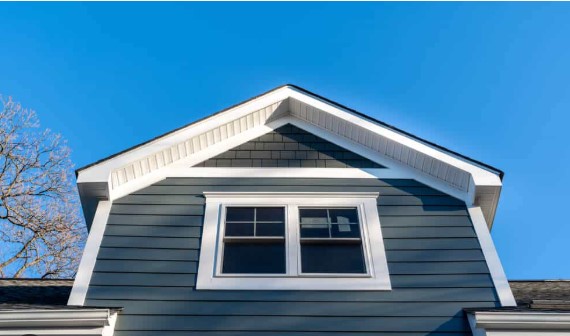
Insulated siding cost per square foot is a crucial factor homeowners consider when improving their home’s exterior. Understanding this cost involves analyzing various elements, from material selection and regional pricing to the complexity of installation. This exploration delves into the specifics, providing a comprehensive guide to budgeting for this significant home improvement project.
The cost of insulated siding varies considerably depending on several key factors. Material choice, for instance, significantly impacts the price. Vinyl siding is generally more affordable than fiber cement or engineered wood, but each offers different durability and aesthetic qualities. Installation complexity also plays a crucial role; a simple, straightforward installation on a new build will cost less than a complex replacement job on an older home with unique architectural features or significant repairs needed to the underlying structure. Finally, regional differences in labor costs and material availability lead to price fluctuations across the country.
Factors Affecting Insulated Siding Cost
The cost of insulated siding is not a fixed figure; it varies considerably depending on several interconnected factors. Understanding these influences is crucial for accurate budgeting and informed decision-making during a home renovation or new construction project. This section will delve into the key elements impacting the price per square foot of insulated siding.
Material Type and Cost Comparison
Insulated siding comes in various materials, each with its own price point and performance characteristics. Vinyl siding, a popular choice for its affordability and ease of maintenance, generally falls at the lower end of the cost spectrum. Fiber cement siding, known for its durability and fire resistance, commands a higher price. Wood siding, while aesthetically pleasing, is typically more expensive and requires higher maintenance. Finally, engineered wood and metal siding represent alternative options with varying cost profiles. The inherent properties of each material – durability, lifespan, and aesthetic appeal – directly influence the overall cost. For instance, a homeowner choosing the longevity and weather resistance of fiber cement will pay more upfront than one opting for the lower initial cost of vinyl.
Thickness and its Impact on Price
The thickness of the siding material significantly affects both its cost and its insulating properties. Thicker siding generally provides superior insulation, leading to potential energy savings over time. However, this improved performance comes at a higher price per square foot. A thicker panel requires more material, increasing the manufacturing and transportation costs, which are then passed on to the consumer. For example, a 1-inch thick insulated vinyl siding panel will cost more than a ½-inch panel, reflecting the increased material and manufacturing expenses.
Installation Complexity and Labor Costs
Labor costs constitute a substantial portion of the overall insulated siding installation expense. The complexity of the installation process directly impacts the labor hours required, and therefore the final cost. Factors such as the house’s architectural design (e.g., numerous dormers or complex angles), the condition of the existing siding (requiring extensive removal and preparation), and the accessibility of the work area all contribute to the overall labor time and associated cost. A straightforward installation on a simple rectangular house will naturally be cheaper than one involving intricate detailing or extensive repairs to the underlying structure. Labor rates also vary regionally, adding another layer of complexity to cost estimation.
Regional Price Variations
Geographical location plays a crucial role in determining the final cost of insulated siding. Factors such as the availability of materials, local labor costs, and transportation expenses all contribute to regional price fluctuations. Areas with higher labor costs or limited access to materials will generally experience higher siding installation prices. For instance, a coastal region might have higher transportation costs for materials, leading to a higher overall price compared to an inland area with readily available supplies. Furthermore, regional demand can also influence pricing; high demand in certain areas can drive prices up.
| Siding Material | Average Cost per Square Foot | Installation Complexity | Regional Price Variation |
|---|---|---|---|
| Vinyl | $3-$8 | Low to Medium | Medium |
| Fiber Cement | $8-$15 | Medium to High | High |
| Wood | $10-$25+ | Medium to High | High |
| Engineered Wood | $9-$18 | Medium | Medium |
| Metal | $12-$20+ | Medium to High | Medium to High |
Cost Estimates for Different Projects
Estimating the cost of insulated siding involves several factors, including project size, complexity, and material choices. A small project might involve siding a single wall, while a large project could encompass an entire house. Understanding these variations is key to accurate budgeting.
Cost Estimates for Different Project Sizes
The cost of insulated siding varies significantly depending on the project’s size. A small project, such as siding a small shed or a single wall of a house, might cost between $1,000 and $3,000. A medium-sized project, such as siding a single-story garage or a portion of a house, could range from $3,000 to $10,000. Large projects, such as siding an entire house, can easily exceed $10,000, potentially reaching $30,000 or more, depending on the home’s size and the materials used. These estimates are approximate and will vary based on location and contractor pricing.
Insulated Siding Cost Based on House Size
The following table provides estimated cost ranges for different house sizes, assuming average material and labor costs. These are estimates and should be considered a starting point for your own cost analysis. Actual costs can vary widely depending on the specifics of your project.
| House Size (sq ft) | Estimated Cost Range |
|---|---|
| 1000-1500 | $10,000 – $20,000 |
| 1500-2500 | $15,000 – $30,000 |
| 2500-3500 | $25,000 – $45,000 |
| 3500+ | $40,000+ |
Cost Differences: New Construction vs. Siding Replacement
Insulated siding installation during new construction is generally less expensive than replacement on an existing structure. New construction allows for more efficient installation and often avoids the added costs associated with removing old siding, repairing underlying damage, and dealing with potential unforeseen issues. Replacement projects often require additional labor and materials to address existing problems, significantly increasing the overall cost. For example, a new 2000 sq ft home might cost $15,000-$25,000 for insulated siding installation, while replacing siding on a similar sized home could cost $20,000-$35,000 due to the added complexities of removing existing materials and addressing any underlying structural issues.
Additional Costs: Window and Door Trim and Structural Repairs
Beyond the cost of the siding itself, additional expenses should be considered. These can include: window and door trim installation, which adds to both material and labor costs; repairing underlying structural damage discovered during the removal of old siding; and the cost of painting or staining the new siding to match the existing house aesthetic. These unexpected repairs can substantially increase the final project cost. For instance, if rotted wood is discovered under old siding, the cost of repair and replacement could easily add several thousand dollars to the overall budget.
Material Specifications and Their Impact on Cost
The cost of insulated siding is significantly influenced by the specific materials used and their properties. Understanding these specifications is crucial for making informed decisions and budgeting effectively for a home renovation or new construction project. Factors such as material type, thickness, energy efficiency ratings, and manufacturer’s warranty all play a role in determining the final price per square foot.
Choosing the right insulated siding involves balancing performance requirements with budget constraints. Higher-performing materials often command a premium, but their long-term energy savings can offset the initial investment. This section will detail the relationship between key material specifications and their impact on cost.
Insulated Siding Material Types and Pricing
Different insulated siding materials possess varying properties that directly influence their cost. These properties include their thermal performance, durability, aesthetic appeal, and ease of installation. For instance, vinyl siding is generally more affordable than fiber cement or engineered wood, but it may not offer the same level of durability or energy efficiency.
- Vinyl: Typically the most budget-friendly option, vinyl siding offers a wide range of colors and styles. However, it may be less durable and energy-efficient than other options. Cost per square foot generally ranges from $3 to $12, depending on style and quality.
- Fiber Cement: More durable and resistant to fire, insects, and moisture than vinyl, fiber cement siding is a mid-range option in terms of cost. Expect to pay between $8 and $20 per square foot.
- Engineered Wood: Offering a natural wood aesthetic with enhanced durability and resistance to rot, engineered wood siding is a premium choice. Costs typically range from $10 to $30+ per square foot.
- Metal (Aluminum or Steel): Metal siding is known for its exceptional durability and longevity, but can be more expensive than other options. Costs can vary widely based on material and finish, ranging from $10 to $30+ per square foot.
Energy Efficiency Ratings and Cost Correlation
The energy efficiency of insulated siding is directly related to its R-value, which represents its resistance to heat transfer. Higher R-values indicate better insulation, leading to lower energy bills. While siding with higher R-values generally costs more upfront, the long-term savings on heating and cooling can justify the higher initial investment.
- R-Value Impact: A siding panel with an R-value of 4 will cost less than one with an R-value of 8 or higher. However, the higher R-value panel will result in greater energy savings over the lifetime of the siding.
- Energy Star Certification: Products that meet the Energy Star criteria for energy efficiency may command a slightly higher price but offer verified energy savings.
Material Thickness and Its Influence on Cost and Performance
The thickness of insulated siding panels is another key factor affecting both cost and performance. Thicker panels generally offer better insulation, impact resistance, and durability. However, this increased performance comes at a higher cost per square foot.
- Thickness vs. Cost: A 1-inch thick panel will generally cost less than a 1.5-inch or 2-inch thick panel of the same material. However, the thicker panel will provide superior insulation and structural integrity.
- Performance Trade-offs: While a thinner panel might be cheaper initially, its reduced insulation and durability could lead to higher long-term costs due to increased energy consumption and potential damage repairs.
Installation Process and Cost Breakdown
The installation of insulated siding is a multi-step process requiring specialized skills and tools. Labor costs are a significant portion of the overall project expense, varying based on factors like geographical location, contractor experience, and project complexity. A detailed understanding of the installation steps and associated labor costs is crucial for accurate budgeting.
Step-by-Step Installation Process
The typical installation of insulated siding involves several key stages. Proper preparation and execution of each step are critical to ensure a long-lasting and aesthetically pleasing result. Failure to adhere to proper installation techniques can lead to issues such as water damage, inefficient insulation, and premature siding failure.
- Preparation: This initial phase involves measuring the area to be sided, removing existing siding (if applicable), and preparing the underlying wall surface. This includes repairing any damaged sheathing, addressing moisture issues, and ensuring a smooth, level surface. Labor costs for this stage can range from $1 to $3 per square foot, depending on the complexity of the preparation work.
- Framing and Furring Strips (if necessary): If the existing wall is uneven or requires additional insulation, furring strips are installed to create a level surface for the siding. This step is not always necessary but adds to both material and labor costs. Labor costs for this step can range from $2 to $5 per square foot, depending on the complexity and extent of the work.
- Insulation Installation: Insulation boards are affixed to the prepared wall surface. This provides thermal insulation and improves energy efficiency. The labor cost for this step is typically included within the overall siding installation cost and is usually not itemized separately, often ranging from $1 to $2 per square foot.
- Siding Installation: This is the core of the installation process, involving the careful placement and fastening of the insulated siding panels. Precision and attention to detail are paramount to ensure a seamless and watertight finish. Labor costs for this stage, which often constitutes the largest portion of the labor expense, typically range from $3 to $7 per square foot depending on siding type and complexity.
- Finishing: The final stage involves caulking, trimming, and adding finishing touches such as flashing around windows and doors. This step ensures a professional and weather-resistant finish. Labor costs for this stage typically range from $1 to $2 per square foot.
Labor Cost Calculation
To calculate the total installation cost, consider the square footage of the project and the labor rates for each step. For example, a 500 square foot project with labor costs averaging $5 per square foot would have a labor cost of $2500 (500 sq ft x $5/sq ft). This is a simplified calculation and should be adjusted based on the specific requirements of the project. More complex projects with extensive preparation or unusual features will naturally incur higher labor costs.
Visual Representation of the Installation Process
Imagine a visual representation starting with a bare wall, showing the removal of old siding (if any). Next, visualize the installation of furring strips to create a level surface, followed by the application of insulation boards. Then, the insulated siding panels are carefully installed, overlapping and interlocking to create a continuous barrier. Finally, the image shows the addition of caulking and trim to complete the installation. Potential challenges, such as uneven walls, difficult-to-reach areas, or the need for specialized tools, could be visually represented by highlighting these areas in the illustration. A poorly prepared surface might be shown with cracks and inconsistencies, contrasting with the smooth, finished surface after preparation.
Example Calculation with Material Costs
Let’s consider a 1000 sq ft project. Assume insulated siding costs $8 per square foot, and labor costs average $6 per square foot. The total material cost would be $8000 (1000 sq ft x $8/sq ft), and the total labor cost would be $6000 (1000 sq ft x $6/sq ft). Therefore, the total estimated cost for this project would be $14,000 ($8000 + $6000). This example, however, does not account for permits, waste removal, or potential unforeseen complications which would increase the overall cost.
Finding and Selecting Contractors
Choosing the right contractor is crucial for a successful insulated siding installation. A reputable contractor ensures quality workmanship, adherence to timelines, and proper handling of any potential issues. Selecting a contractor involves careful research, comparison, and communication to ensure a positive experience and a final product that meets your expectations.
Contractor Search Strategies
Finding qualified contractors begins with utilizing various resources. Online directories specializing in home improvement contractors, such as those found on Angie’s List or HomeAdvisor, can provide initial leads. Checking with local building supply stores and contacting your network—friends, family, and neighbors—can also yield valuable referrals. Reviews and testimonials on these platforms provide insights into previous clients’ experiences, highlighting both positive and negative aspects of a contractor’s work. Licensing and insurance verification through your state’s contractor licensing board is a vital step in confirming the contractor’s legitimacy and protecting yourself from potential liabilities.
Contractor Pricing Models and Quote Acquisition
Contractors typically employ different pricing models. Some use a fixed-price contract, providing a total cost upfront for the entire project. Others may opt for a time-and-materials contract, where you pay for the labor and materials used, potentially leading to unpredictable final costs. Obtaining quotes involves providing the contractor with detailed project specifications, including measurements, material choices, and desired features. It’s essential to ensure the quotes include all aspects of the job, such as material costs, labor, permits, and cleanup. Requesting detailed breakdowns helps compare apples to apples when reviewing multiple quotes.
The Importance of Multiple Quotes
Comparing multiple quotes is paramount to securing a fair price and avoiding overspending. Each contractor may have different pricing structures, material sourcing, and labor costs. Obtaining at least three quotes allows for a comprehensive comparison, identifying the most competitive offer while considering factors beyond just the price, such as the contractor’s reputation, experience, and warranty offerings. Significant price discrepancies between quotes should prompt further investigation to understand the underlying reasons.
Checklist of Questions for Potential Contractors
Before committing to a contractor, a thorough vetting process is necessary. A crucial part of this involves asking specific questions to ensure transparency and fair pricing. Inquire about the contractor’s license and insurance coverage, their experience with insulated siding installations, the specific materials they intend to use, and their warranty policies. Clarify the payment schedule, project timeline, and procedures for handling potential problems or delays. Request references from past clients to verify their satisfaction and the quality of their work. Finally, ask about their permit acquisition process and their compliance with local building codes. A well-informed decision is crucial for a successful project outcome.
End of Discussion
Ultimately, determining the precise insulated siding cost per square foot requires careful consideration of the factors discussed. By understanding the material options, regional pricing, and complexities of installation, homeowners can effectively budget for this worthwhile home improvement. Remember to obtain multiple quotes from reputable contractors to ensure a fair and transparent price before embarking on your project. The investment in insulated siding not only enhances curb appeal but also improves energy efficiency, providing long-term value for your home.
