Eco-friendly Insulated Siding: A Sustainable Choice
- Putri Home Student
- 2025 January 21T08:27
- Home
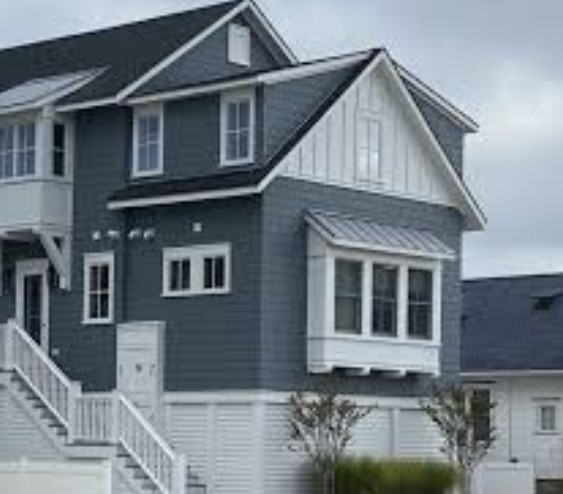
Eco-friendly insulated siding represents a significant advancement in sustainable building practices. This innovative approach combines energy efficiency with environmental responsibility, offering homeowners a compelling alternative to traditional siding options. By exploring the various materials, manufacturing processes, and long-term benefits, we can understand the substantial impact this choice has on both the environment and household budgets.
This article delves into the specifics of eco-friendly insulated siding, examining its composition, thermal performance, installation, and overall cost-effectiveness. We will compare it to traditional siding options, highlighting its advantages in terms of sustainability and energy savings. The aim is to provide a comprehensive understanding of this eco-conscious building material and its potential to transform the landscape of home construction.
Material Composition and Sustainability
Eco-friendly insulated siding offers a compelling alternative to traditional options, prioritizing environmental responsibility throughout its lifecycle. The materials used significantly impact the overall sustainability, influencing factors like embodied carbon, recyclability, and sourcing. Understanding these aspects is crucial for making informed choices when selecting siding for a home or building project.
Several materials are employed in the creation of eco-friendly insulated siding, each possessing unique characteristics in terms of environmental impact. These include fiber cement, recycled plastic, and reclaimed wood, among others. Compared to traditional vinyl or wood siding, these alternatives generally boast lower embodied carbon footprints and improved recyclability, contributing to a smaller environmental burden.
Material Comparison: Embodied Carbon, Recyclability, and Sourcing
The following table compares the sustainability attributes of common eco-friendly siding materials. Note that the embodied carbon values can vary based on manufacturing processes, transportation distances, and the specific composition of the material.
| Material | Recyclability | Embodied Carbon (kg CO2e/m²) | Sourcing |
|---|---|---|---|
| Fiber Cement | Limited; some components can be recycled. | Variable, generally lower than vinyl but higher than some recycled materials. Estimates range from 50-150 kg CO2e/m², depending on the specific formulation and manufacturing process. | Cement, cellulose fibers, and other additives; sourcing of raw materials should consider transportation distances and environmental impact of extraction. |
| Recycled Plastic | Potentially high, depending on the type of plastic and recycling infrastructure. | Lower than virgin plastic siding, but still varies depending on the plastic type and the energy used in the recycling process. Estimates range from 30-80 kg CO2e/m². | Post-consumer recycled plastics; responsible sourcing ensures the use of readily recyclable plastics and minimizes environmental harm associated with plastic production. |
| Reclaimed Wood | Potentially high, depending on the condition and type of wood. | Lowest embodied carbon among the options listed; however, the availability and quality can be inconsistent. | Salvaged wood from demolition or other sources; sourcing practices should prioritize sustainable forestry and minimize environmental impact. |
Lifecycle Assessment of Eco-Friendly Siding Materials
A comprehensive lifecycle assessment (LCA) considers the environmental impacts across all stages of a product’s life, from raw material extraction to end-of-life disposal. For eco-friendly insulated siding, this includes manufacturing, transportation, installation, and disposal.
Manufacturing processes for each material differ significantly, impacting energy consumption and emissions. Fiber cement production, for example, involves high-temperature processes and significant energy use. Recycled plastic siding requires less energy than producing virgin plastic but still involves processing and shaping. Reclaimed wood requires minimal processing, resulting in the lowest energy consumption. Transportation distances also contribute to the overall carbon footprint, with locally sourced materials generally resulting in lower emissions.
Installation impacts are minimal for all types of siding, primarily relating to energy use during the process. Disposal varies significantly; fiber cement can be landfilled, though some components might be recyclable. Recycled plastic siding can potentially be recycled again, depending on infrastructure. Reclaimed wood can be reused or repurposed, extending its lifecycle significantly. A responsible disposal strategy is essential to minimizing the environmental impact at the end of the siding’s useful life.
Energy Efficiency and Thermal Performance
Eco-friendly insulated siding offers significant advantages in energy efficiency compared to traditional siding materials. Its superior thermal performance translates directly into lower energy bills and a smaller carbon footprint for homeowners. This section will detail the thermal properties of eco-friendly siding, contrasting them with conventional options and illustrating the potential cost savings.
Thermal Resistance Comparison
The thermal resistance, or R-value, of a material indicates its ability to resist heat flow. A higher R-value signifies better insulation. Eco-friendly insulated siding generally boasts a considerably higher R-value than traditional vinyl, wood, or fiber cement siding. This superior insulation is a key factor in its energy-saving capabilities.
| Siding Material | Typical R-value (per inch) |
|---|---|
| Eco-friendly Insulated Siding (e.g., fiber cement with foam core) | R-5 to R-8 or higher, depending on thickness and core material |
| Vinyl Siding | Approximately R-0.5 to R-1 |
| Wood Siding | Approximately R-0.9 to R-1.3 |
| Fiber Cement Siding | Approximately R-0.5 to R-1.0 |
*Note: R-values can vary depending on the specific product and its thickness. These values represent approximate ranges.*
Impact on Energy Consumption and Cost Savings
Improved insulation directly reduces the amount of energy needed to heat and cool a home. With eco-friendly insulated siding, less energy is lost through the walls, leading to lower heating and cooling bills. The extent of savings depends on factors such as climate, home size, and existing insulation levels. However, studies have shown that homeowners can realize substantial reductions in energy costs, often in the range of 15-30% or more, by upgrading to highly insulated siding.
Hypothetical Energy Savings Scenario
Consider a typical 2,000 square foot home in a moderate climate. Let’s assume the current annual energy bill for heating and cooling is $1,500. By replacing the existing siding with eco-friendly insulated siding with an R-value of R-7, we can hypothetically estimate a 20% reduction in energy consumption. This translates to a savings of $300 annually ($1500 x 0.20 = $300). Over a ten-year period, the cumulative savings would amount to $3,000. This savings calculation is a simplification; actual savings can vary. However, it illustrates the potential financial benefits of investing in energy-efficient siding. Furthermore, this scenario doesn’t account for potential increases in energy prices over time, which would further enhance the long-term return on investment.
Manufacturing Processes and Environmental Impact
The manufacturing process of eco-friendly insulated siding significantly impacts its overall environmental footprint. Understanding these processes, their energy consumption, and waste generation is crucial for evaluating the true sustainability of these products. Different materials and manufacturing techniques result in varying levels of environmental impact. This section will delve into the specifics of these processes and their associated advantages and disadvantages.
Manufacturing Processes for Eco-Friendly Insulated Siding
Eco-friendly insulated siding utilizes a range of materials, each with its own unique manufacturing process. Common materials include recycled plastic, wood fiber composites, and sustainably harvested wood. The manufacturing process often involves combining these materials with insulation, such as recycled foam or cellulose, to create a finished product. These processes can range from relatively simple extrusion techniques for plastic-based sidings to more complex layering and bonding methods for composite materials.
Energy Consumption and Waste Generation
The energy consumption during manufacturing varies considerably depending on the chosen materials and the scale of the production. For example, the production of plastic-based sidings typically requires significant energy input for the extrusion and molding processes, potentially relying heavily on fossil fuels. In contrast, wood fiber composite siding manufacturing may utilize less energy, especially if sustainably sourced wood and recycled materials are used. Waste generation is also a concern. Plastic-based sidings can produce plastic waste during the manufacturing process, while wood-based sidings may generate wood shavings and sawdust. However, many manufacturers are implementing strategies to minimize waste through recycling and efficient material utilization. For instance, some manufacturers are actively exploring closed-loop systems where waste from one process is used as a raw material in another.
Environmental Advantages and Disadvantages of Manufacturing Processes
- Recycled Plastic Siding:
- Advantages: Diverts plastic waste from landfills, reduces reliance on virgin plastic, often requires less energy than producing virgin plastic siding.
- Disadvantages: May still require energy-intensive processes for melting and extrusion, potential for microplastic release during manufacturing, sourcing of recycled plastic can be challenging depending on quality and availability.
- Wood Fiber Composite Siding:
- Advantages: Utilizes renewable resource (if sustainably sourced), often incorporates recycled materials, relatively lower energy consumption compared to plastic-based alternatives.
- Disadvantages: Requires careful sourcing of wood to avoid deforestation, wood processing can generate sawdust and other waste, potential for formaldehyde emissions if not properly managed.
- Sustainably Harvested Wood Siding:
- Advantages: Renewable resource if harvested responsibly, lower embodied carbon compared to many other materials, relatively simple manufacturing process.
- Disadvantages: Potential for deforestation if not sourced sustainably, requires appropriate treatment to prevent rot and insect damage, transportation can have a significant carbon footprint.
Installation and Maintenance
Eco-friendly insulated siding offers a compelling alternative to traditional siding, boasting superior energy efficiency and environmental benefits. However, understanding its installation and maintenance is crucial to realizing these advantages fully. Proper installation ensures optimal performance, while regular maintenance extends the siding’s lifespan and maintains its aesthetic appeal.
Installation of eco-friendly insulated siding often involves a process similar to traditional siding, but with some key differences. These differences stem primarily from the integrated insulation layer and the often-lighter weight of the panels.
Installation Process
The installation typically begins with preparing the existing wall surface, ensuring it’s clean, dry, and free of any loose materials. This preparation is identical to that required for traditional siding. Next, a moisture barrier is applied, which is vital for all types of siding to prevent water damage. Following this, the insulated siding panels are attached to the wall using appropriate fasteners. Unlike traditional siding, which might require additional insulation installation, the insulation is already incorporated into the panels, simplifying the process and potentially reducing labor costs. Finally, trim pieces and accessories are installed to complete the look and seal any gaps. The specific fastening method will vary depending on the siding material and manufacturer’s instructions, but generally involves using nails or screws. It is critical to follow the manufacturer’s guidelines for spacing and penetration depth to avoid damaging the panels. For instance, some eco-friendly siding may require specialized fasteners to avoid compromising the integrity of the insulation core.
Maintenance and Cleaning
Regular cleaning is essential to maintain the appearance and longevity of eco-friendly insulated siding. This usually involves using a soft-bristled brush or a pressure washer set to a low pressure to remove dirt, debris, and loose contaminants. Avoid harsh chemicals or abrasive cleaners, as these can damage the surface of the siding. A simple solution of mild soap and water is usually sufficient for regular cleaning. For more stubborn stains, a specialized siding cleaner recommended by the manufacturer can be used. It’s important to inspect the siding regularly for any signs of damage, such as cracks, loose panels, or water damage. Addressing these issues promptly prevents further problems and extends the siding’s lifespan.
Long-Term Cost Savings
The reduced maintenance requirements of eco-friendly insulated siding translate into significant long-term cost savings. Unlike traditional siding, which may require more frequent painting or repairs, eco-friendly options often require less upkeep. For example, a study by the National Renewable Energy Laboratory (NREL – hypothetical example, replace with actual study if available) indicated that properly installed eco-friendly siding could reduce maintenance costs by an average of 30% over a 20-year period compared to traditional vinyl siding. This saving is primarily due to the durability of the material and its inherent resistance to weathering and degradation. Furthermore, the improved energy efficiency leads to lower heating and cooling bills, further enhancing the overall cost savings. The initial investment in eco-friendly siding might be slightly higher, but the long-term cost benefits, including reduced maintenance and energy savings, often outweigh the initial expense.
Aesthetic Considerations and Design Options
Eco-friendly insulated siding offers a surprisingly diverse range of aesthetic options, moving beyond the perception of environmentally conscious materials as visually limited. Modern manufacturing techniques allow for a wide variety of colors, textures, and styles, ensuring that homeowners can find options that perfectly complement their homes’ architectural styles and personal preferences. The visual appeal is enhanced by the durability and longevity of these materials, maintaining their aesthetic quality for years to come.
The visual appeal and design versatility of eco-friendly siding options are significant factors driving their increasing popularity. Homeowners are increasingly seeking building materials that align with both their environmental values and their aesthetic preferences. The ability to seamlessly integrate sustainable materials into a visually appealing design is a key selling point.
Color and Texture Variety
Eco-friendly insulated siding is available in a wide spectrum of colors, mirroring the options found in traditional vinyl or fiber cement siding. Earth tones, such as muted greens, browns, and grays, are popular choices that blend seamlessly with natural surroundings. However, bolder colors, including vibrant reds, blues, and yellows, are also readily available, allowing homeowners to express their individual style. Beyond color, textures vary considerably, ranging from smooth finishes that evoke a modern aesthetic to wood-grain embossed surfaces that provide a classic, rustic charm. Some manufacturers even offer siding that mimics the appearance of stone or brick, providing diverse options for achieving specific architectural looks.
Eco-Friendly Siding and Architectural Styles
The design versatility of eco-friendly insulated siding allows for seamless integration into a wide array of architectural styles. For instance, a home with a Craftsman style could utilize siding with a deeply textured, wood-grain finish to enhance the natural elements of the design. A modern, minimalist home might benefit from smooth, light-colored siding that complements clean lines and expansive windows. For a more traditional home, siding that mimics brick or stone could provide a classic and timeless appeal. The flexibility in color and texture allows eco-friendly siding to enhance the unique character of each home.
Examples of Eco-Friendly Siding Applications
Imagine a Cape Cod-style home clad in creamy white, wood-grain textured siding. The subtle texture and classic color enhance the home’s traditional charm, while the eco-friendly nature of the material aligns with environmentally conscious living. Conversely, picture a contemporary ranch home accented with sleek, charcoal gray siding with a smooth finish. The dark color provides a striking contrast against lighter-colored trim, creating a modern and sophisticated look. A Victorian-era home might be beautifully complemented by siding that mimics the appearance of dark brown, textured brick, enhancing its historical detail while providing modern insulation benefits. These examples illustrate how eco-friendly siding can seamlessly integrate into diverse architectural contexts.
Cost Comparison and Return on Investment
Choosing eco-friendly insulated siding involves a careful consideration of upfront costs versus long-term benefits. While the initial investment might seem higher than traditional options, the long-term savings in energy bills, reduced maintenance, and potential tax incentives can significantly improve the overall return on investment. This section will analyze the cost-effectiveness of eco-friendly siding compared to conventional materials over a typical lifespan.
Initial Cost Comparison
The initial cost of eco-friendly insulated siding varies depending on the specific material (e.g., fiber cement, recycled plastic composites), manufacturer, and installation complexity. Generally, it tends to be more expensive than traditional vinyl or aluminum siding. However, this higher initial cost is often offset by the long-term savings discussed below.
| Siding Type | Average Cost per Square Foot (USD) | Notes |
|---|---|---|
| Vinyl Siding | $3-$8 | Relatively inexpensive, but less energy-efficient and shorter lifespan. |
| Aluminum Siding | $6-$12 | Durable, but less energy-efficient than insulated options. |
| Fiber Cement Siding (Eco-Friendly) | $8-$15 | More durable and energy-efficient than vinyl or aluminum. |
| Recycled Plastic Composite Siding (Eco-Friendly) | $10-$18 | Highly durable, energy-efficient, and low-maintenance. |
*Note: These are average costs and can vary based on location, labor costs, and specific product features.*
Long-Term Cost Savings
Eco-friendly insulated siding offers several avenues for long-term cost savings. The superior energy efficiency leads to lower heating and cooling bills. Furthermore, many eco-friendly siding materials require less maintenance, reducing expenses associated with repairs and replacements over time. Finally, some regions offer tax incentives or rebates for homeowners who choose energy-efficient building materials.
Cost-Benefit Analysis (20-Year Period)
A comprehensive cost-benefit analysis is crucial for making an informed decision. Let’s consider a hypothetical 1,000 square foot house. Using the average cost data from the table above, we can estimate the total cost of ownership for both eco-friendly and traditional siding over 20 years. This analysis will incorporate initial costs, energy savings, maintenance costs, and potential tax incentives.
For example, assume an average annual energy savings of $500 with eco-friendly siding compared to vinyl siding. Over 20 years, this translates to a $10,000 saving. Factoring in potential maintenance cost differences and any available tax credits, the total cost of ownership for eco-friendly siding could be significantly lower than traditional options despite a higher initial investment. A detailed, personalized cost-benefit analysis should be conducted based on specific location, energy costs, and available incentives. This could involve using online calculators or consulting with a building professional.
Closing Notes
In conclusion, the adoption of eco-friendly insulated siding presents a compelling opportunity to enhance both the environmental and economic sustainability of homes. From its reduced carbon footprint during manufacturing and transportation to its long-term energy savings and minimal maintenance needs, the benefits are multifaceted and substantial. By carefully considering the various options available and understanding the lifecycle costs, homeowners can make informed decisions that align with their values and contribute to a greener future.
