Long-lasting Insulated Siding: A Comprehensive Guide
- Putri Home Student
- 2025 January 23T11:28
- Home
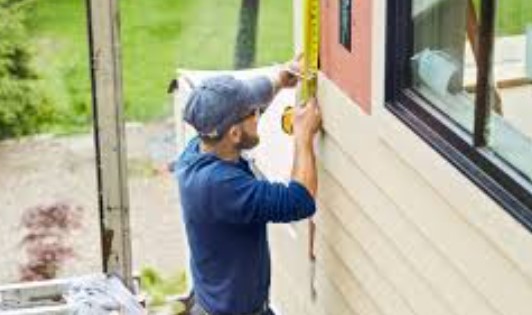
Long-lasting insulated siding offers a compelling blend of durability, energy efficiency, and aesthetic appeal. This guide delves into the various materials, installation techniques, energy savings, design options, and cost considerations associated with this increasingly popular exterior cladding solution. We’ll explore the benefits of different materials like vinyl, fiber cement, and engineered wood, examining their thermal properties, lifespan, and maintenance requirements. Understanding these factors will empower homeowners to make informed decisions when choosing the right siding for their homes.
From the initial planning stages to the final installation, we provide a detailed overview of the process, highlighting best practices for a watertight and energy-efficient outcome. We’ll also explore how insulated siding can significantly reduce energy bills and enhance the curb appeal of your property, ultimately increasing its value. This comprehensive guide aims to equip you with the knowledge necessary to confidently choose and install long-lasting insulated siding.
Material Composition and Properties of Long-lasting Insulated Siding
Choosing the right insulated siding involves understanding the diverse materials available and their respective properties. The longevity and energy efficiency of your home’s exterior depend heavily on this selection. This section details the composition, thermal performance, durability, and maintenance requirements of common long-lasting insulated siding materials.
Vinyl Siding
Vinyl siding is a popular choice due to its affordability and low maintenance. It’s composed of polyvinyl chloride (PVC), a plastic polymer. Its thermal properties are moderate, offering R-values typically ranging from R-3 to R-5, depending on thickness and construction. Vinyl siding is relatively durable, resisting rot, insect damage, and moisture. However, it can be susceptible to damage from impact and extreme temperature fluctuations, potentially leading to cracking or warping. Cleaning typically involves occasional washing with soap and water. Repairs often involve replacing damaged sections, a relatively straightforward process. The lifespan of vinyl siding can reach 30-40 years with proper installation and maintenance.
Fiber Cement Siding
Fiber cement siding is a composite material made from a mixture of cement, cellulose fibers, and other additives. This combination results in a product with superior strength and durability compared to vinyl. Fiber cement offers better thermal performance than vinyl, with R-values generally between R-4 and R-6, depending on thickness and insulation backing. It’s highly resistant to fire, rot, insects, and moisture, making it suitable for various climates. However, it’s more susceptible to cracking than vinyl, especially during installation. Maintenance involves periodic cleaning and repainting every 5-10 years to maintain its aesthetic appeal and protect against weathering. The lifespan of fiber cement siding can exceed 50 years.
Engineered Wood Siding
Engineered wood siding, often made from composite materials like wood fiber and resin, provides a more natural aesthetic than vinyl or fiber cement. Its thermal properties are similar to fiber cement, offering R-values in the range of R-4 to R-6. Engineered wood is less susceptible to moisture damage than traditional wood siding, but it’s still important to ensure proper ventilation to prevent rot. It requires regular cleaning and occasional repainting to maintain its appearance and protect it from the elements. The lifespan of engineered wood siding, with proper maintenance, is typically 25-35 years.
Metal Siding
Metal siding, typically made from aluminum or steel, is known for its exceptional durability and longevity. It offers excellent resistance to fire, insects, and moisture. Its thermal properties vary depending on the type of metal and insulation backing; R-values can range from R-4 to R-8. Metal siding is relatively low-maintenance, requiring only occasional cleaning. However, it can dent or scratch more easily than other materials and may require repainting if the finish is damaged. With proper care, metal siding can last for 50 years or more.
Material Comparison Table
| Material | Approximate Cost (per sq. ft.) | Lifespan (Years) | Maintenance Needs |
|---|---|---|---|
| Vinyl | $3-$8 | 30-40 | Occasional cleaning, occasional repair |
| Fiber Cement | $8-$15 | 50+ | Periodic cleaning, repainting every 5-10 years |
| Engineered Wood | $7-$12 | 25-35 | Regular cleaning, occasional repainting |
| Metal | $10-$20 | 50+ | Occasional cleaning, occasional repainting |
Installation Methods and Techniques for Long-lasting Insulated Siding
Proper installation is paramount to achieving the longevity and energy efficiency promised by long-lasting insulated siding. A well-installed system will protect your home for years to come, while poor installation can lead to costly repairs and reduced performance. This section details the crucial steps and best practices for a successful installation.
Surface Preparation and Treatment
Before any siding is installed, thorough preparation of the existing wall surface is essential. This involves removing any loose or damaged materials, such as old siding, paint, or caulking. Any areas of rot or insect damage must be addressed and repaired using appropriate materials. The surface should then be cleaned to remove dirt, debris, and any loose particles. Finally, a primer coat is often applied to ensure proper adhesion of the new siding and to create a uniform surface. This step is critical for preventing future issues such as moisture penetration and siding failure.
Step-by-Step Installation Guide
The installation process typically follows these steps:
- Establish a Level Baseline: Begin by establishing a level baseline along the bottom of the wall using a level and marking the position with a chalk line. This ensures the entire siding installation remains plumb and straight.
- Install Starting Strips: Install starting strips along the baseline, ensuring they are securely fastened and level. These strips provide a solid base for the first row of siding.
- Install the First Row of Siding: Carefully position the first row of siding panels against the starting strips, ensuring proper alignment and overlap. Secure the panels using appropriate fasteners (nails or screws), following manufacturer recommendations for spacing and penetration depth.
- Install Subsequent Rows: Continue installing subsequent rows, ensuring proper overlap and alignment with previous rows. Use a level to check vertical alignment frequently.
- Install J-Channel and Trim: Install J-channel around windows, doors, and corners to create a neat and weather-resistant finish. Trim pieces are used to finish the edges of the siding.
- Caulking and Sealing: Apply a high-quality, weather-resistant caulk to all seams and joints to ensure a watertight seal. Pay particular attention to areas around windows, doors, and corners.
Installation Methods: Nailing, Screwing, and Adhesive Techniques
Several methods exist for fastening long-lasting insulated siding. Nailing is a common method, offering a relatively quick and straightforward installation. However, screws provide a stronger and more secure fastening, particularly in areas subject to high winds. Adhesive techniques, while less common for large-scale projects, can be effective for smaller areas or specific applications, providing a seamless finish. The choice of method depends on factors such as the type of siding, building code requirements, and the installer’s preference. Each method requires attention to detail to ensure proper penetration and avoid damage to the siding.
Ensuring a Watertight and Energy-Efficient Installation
A watertight and energy-efficient installation hinges on meticulous attention to detail. Proper flashing is crucial around windows and doors to prevent water penetration. Sealing all seams and joints with high-quality caulk is essential to prevent air infiltration and moisture intrusion. Using the correct fasteners and following manufacturer’s recommendations for spacing and penetration depth is vital for structural integrity and preventing damage. Maintaining consistent overlap between siding panels also contributes to a watertight and energy-efficient installation.
Visual Representation of Proper Installation
Imagine a cross-section of the wall showing the existing wall sheathing. Over this, a layer of weather-resistant barrier is installed, followed by the insulated siding panels. Each panel overlaps the previous one by a specified amount. At the bottom, a level starting strip provides a foundation. Around a window, a J-channel is installed, creating a neat transition and diverting water away from the window frame. Caulk is visible in all joints and seams, including where the siding meets the J-channel and the window frame. Flashing is positioned under the J-channel, creating a secondary water barrier. Fasteners are spaced evenly and driven to the appropriate depth. The entire system appears neat, straight, and free of gaps or inconsistencies. This illustration emphasizes the importance of each component working together to create a complete, weather-resistant, and energy-efficient system.
Long-lasting Insulated Siding and Energy Efficiency
Insulated siding significantly impacts a home’s energy efficiency by creating a thermal barrier that reduces heat transfer between the interior and exterior environments. This barrier minimizes energy loss during colder months and reduces heat gain during warmer periods, leading to substantial savings on heating and cooling costs. The effectiveness of this insulation is directly related to its R-value and the quality of air sealing.
Insulation R-Values and Energy Costs
The R-value of insulation represents its resistance to heat flow. A higher R-value indicates better insulation. For example, siding with an R-value of 10 will provide significantly better insulation than siding with an R-value of 5. This difference translates directly to lower energy bills. Homes in colder climates would benefit more from higher R-value siding, while those in milder climates might find a lower R-value sufficient. The actual savings depend on factors such as climate, home size, and heating/cooling systems. A home in a consistently cold climate with an R-5 siding upgrading to R-10 siding could see a reduction in heating costs of 20-30%, depending on other factors.
The Role of Air Sealing in Energy Efficiency
Air sealing is crucial for maximizing the energy efficiency of insulated siding. Even the best insulation is ineffective if air leaks allow conditioned air to escape and unconditioned air to enter. Proper installation of insulated siding, including the careful sealing of gaps and cracks around windows, doors, and other penetrations, is vital. This prevents drafts, reduces heat loss in winter, and minimizes heat gain in summer. Ignoring air sealing can negate a significant portion of the energy savings provided by the insulation itself. Think of it like trying to keep water in a bucket with holes – the water (energy) will simply leak out.
Energy Savings Compared to Traditional Siding
Insulated siding offers substantial energy savings compared to traditional siding options like vinyl or wood. Traditional siding offers minimal to no insulation value. The difference in energy consumption can be substantial, leading to considerable cost savings over the lifetime of the siding. A typical home might see a reduction in energy costs ranging from 15% to 30% or more by switching from traditional siding to insulated siding, depending on the climate, home design, and the R-value of the chosen insulated siding.
Comparison of Energy Bills
The following table illustrates potential energy bill savings by comparing homes with and without insulated siding. These are illustrative examples and actual savings may vary.
| Month | Home without Insulated Siding | Home with Insulated Siding (R-10) | Savings |
|---|---|---|---|
| January | $300 | $225 | $75 |
| July | $250 | $175 | $75 |
| Annual Average | $200 | $150 | $50 |
Aesthetic Considerations and Design Options for Long-lasting Insulated Siding
Choosing long-lasting insulated siding offers a significant opportunity to enhance your home’s curb appeal and overall aesthetic. The wide array of styles, colors, and textures available allows for considerable design flexibility, enabling homeowners to personalize their exterior to complement their architectural style and personal preferences. Careful consideration of these aesthetic elements can significantly increase property value and create a lasting impression.
Long-lasting insulated siding is available in a diverse range of styles, colors, and textures, offering homeowners extensive design options. The selection process should consider the existing architectural style of the home, the surrounding landscape, and the homeowner’s personal taste. Proper integration of these elements ensures a cohesive and visually appealing result.
Siding Styles, Colors, and Textures
The visual impact of insulated siding is greatly influenced by its style, color, and texture. Manufacturers offer a broad spectrum of choices, from traditional clapboard to contemporary vertical panels. Color palettes range from classic earth tones to vibrant hues, allowing for personalization to suit individual tastes and architectural styles. Textured surfaces, mimicking natural materials like wood or stone, add depth and visual interest.
- Styles: Clapboard, shingle, vertical panel, board and batten, and even variations that mimic stone or brick are readily available. Clapboard offers a classic, traditional look, while vertical panels provide a more modern feel. Shingles can add a rustic charm.
- Colors: Popular choices include neutral shades like beige, gray, and brown, which offer versatility and timeless appeal. However, bolder colors like deep blues, greens, or reds can add a striking visual impact, especially when complemented by carefully chosen trim.
- Textures: Textured siding can significantly enhance the visual appeal. Options include smooth, wood grain, stucco, or even those that replicate the appearance of natural stone. The choice of texture should complement the overall architectural style of the home.
Enhancing Curb Appeal with Siding Profiles and Textures
Different siding profiles and textures contribute significantly to a home’s curb appeal. The interplay of light and shadow created by various profiles adds depth and visual interest. Textures can mimic natural materials, creating a sense of warmth and authenticity, or provide a clean, modern aesthetic.
- Deep Profiles: Siding with deep profiles, such as thick clapboard or deeply shadowed panels, creates a more dramatic and visually interesting look, adding dimension to the facade.
- Smooth Surfaces: Smooth surfaces offer a clean, contemporary aesthetic, often seen in modern or minimalist architectural styles. They reflect light differently than textured surfaces, creating a different visual effect.
- Natural-Looking Textures: Siding that mimics wood grain, stone, or stucco adds a sense of warmth and sophistication, creating a more traditional or rustic feel.
Integrating Insulated Siding with Different Architectural Styles
Successful integration of insulated siding depends on choosing styles and colors that complement the home’s architectural style. Consideration of existing architectural details, such as window frames, rooflines, and existing materials, is crucial for a cohesive design.
- Traditional Homes: Clapboard or shingle siding in muted earth tones often complements traditional architectural styles. Adding detailed trim can further enhance the classic look.
- Modern Homes: Clean-lined vertical panels or smooth-surface siding in neutral or bold colors are suitable for modern homes. Minimalist trim is typically preferred.
- Ranch Homes: Horizontal siding, potentially with a slightly textured surface, works well with ranch-style homes. Subtle variations in color can add visual interest without overwhelming the design.
The Role of Trim and Accessories
Trim and accessories play a crucial role in creating a visually appealing exterior. They add definition, highlight architectural details, and create a polished look. Careful selection of trim colors and materials can enhance the overall aesthetic impact of the siding.
- Window and Door Trim: Contrasting or complementary trim colors around windows and doors can draw attention to these focal points and enhance the overall visual appeal.
- Corner Boards and Fascia: These elements add structural definition and a finished look to the exterior. Matching or contrasting colors can create different visual effects.
- Soffit and Gutter Systems: These elements should be coordinated with the siding and trim for a cohesive and professional appearance. Consider using materials that complement the overall style.
Design Examples
The versatility of long-lasting insulated siding is demonstrated through a variety of design examples. These illustrate how different styles, colors, and textures can be used to create unique and visually appealing exteriors.
- Example 1: A Victorian-style home updated with dark gray clapboard siding, white trim, and black shutters. This creates a sharp contrast and emphasizes the home’s architectural details.
- Example 2: A modern farmhouse featuring light gray board and batten siding with black accents. The clean lines and contrasting colors create a stylish and contemporary look.
- Example 3: A craftsman-style bungalow with warm brown shingle siding and complementary brown trim. This creates a cohesive and inviting aesthetic.
Cost Analysis and Return on Investment for Long-lasting Insulated Siding
Investing in long-lasting insulated siding is a significant home improvement project, and understanding the associated costs and potential return on investment (ROI) is crucial for informed decision-making. This section details the factors influencing the overall cost, methods for calculating total expenses, and strategies for assessing long-term financial benefits.
Factors Influencing the Overall Cost of Long-lasting Insulated Siding Installation
Several key factors contribute to the total cost of installing long-lasting insulated siding. These include the size of the house, the type of siding chosen (e.g., fiber cement, vinyl, engineered wood), the complexity of the installation (e.g., presence of multiple gables, dormers, or intricate architectural details), and the regional cost of labor and materials. Furthermore, the need for any necessary repairs or replacements of underlying sheathing or structure will also impact the final cost. Permits and inspections, while often overlooked, also add to the total expenditure. Finally, the choice of contractor and their associated labor rates can significantly influence the final price. Higher-quality materials and experienced installers generally command higher costs, but may result in longer-lasting and more aesthetically pleasing results.
Calculating the Total Cost of Insulated Siding Installation
Calculating the total cost involves a systematic approach. First, determine the square footage of the area to be sided. Next, obtain detailed quotes from multiple reputable contractors, ensuring they include all aspects: materials (siding, trim, fasteners, etc.), labor costs (including removal of existing siding if applicable), and permit fees. It is advisable to get at least three separate quotes to compare pricing and services offered. A typical breakdown might look like this: Materials (50-60%), Labor (30-40%), Permits (5-10%). For example, if a 2,000 square foot house requires siding and the contractor quotes $10 per square foot for materials and $5 per square foot for labor, and permits cost $500, the total estimated cost would be ($10 x 2000) + ($5 x 2000) + $500 = $30,500. Always factor in a contingency for unforeseen expenses.
Assessing the Long-Term Return on Investment (ROI)
The ROI on insulated siding stems primarily from energy savings and increased home value. Energy savings are calculated by comparing pre- and post-installation energy bills. The difference, multiplied by the expected lifespan of the siding (typically 20-50 years depending on material and maintenance), provides an estimate of cumulative savings. Increased home value is more difficult to quantify precisely, as it depends on local market conditions and appraisal methods. However, real estate agents often cite increased curb appeal and energy efficiency as significant factors influencing property value. A rule of thumb might be to estimate a 5-15% increase in home value, depending on the quality of the siding and the overall condition of the house. For instance, a $30,000 investment resulting in $5,000 annual energy savings over 10 years and a $5,000 increase in home value would yield a significant positive ROI.
Cost-Effectiveness of Insulated Siding Versus Other Exterior Cladding Options
Insulated siding’s cost-effectiveness depends on a comparison with alternatives such as vinyl siding, fiber cement, brick, or wood. While initial costs might vary, the long-term cost-benefit analysis should consider factors like maintenance requirements, lifespan, and energy efficiency. Insulated siding generally requires less maintenance and offers superior energy efficiency compared to many alternatives, potentially offsetting higher initial investment costs over the long term. For example, while vinyl siding may have a lower initial cost, it has a shorter lifespan and offers less insulation, leading to higher energy bills over time. A comprehensive cost comparison should account for all these factors over the projected lifetime of each siding option.
Cost Factors, Potential Savings, and ROI Calculations
| Factor | Cost (Example) | Potential Annual Savings (Example) | ROI Calculation (Example) |
|---|---|---|---|
| Materials | $15,000 | $500 (Energy) | (Annual Savings x Lifespan) / Initial Investment |
| Labor | $10,000 | $1000 (Increased Home Value) | (($500 + $1000) x 20 years) / $25,000 = 1.2 |
| Permits | $500 | – | – |
| Total Cost | $25,500 | Total Annual Savings: $1500 | ROI = 120% |
Ending Remarks
Investing in long-lasting insulated siding represents a significant upgrade to any home, offering substantial long-term benefits. By carefully considering material selection, installation techniques, and aesthetic preferences, homeowners can enjoy enhanced energy efficiency, reduced maintenance costs, and increased property value. The information presented in this guide serves as a valuable resource to help navigate the decision-making process, ensuring a successful and rewarding investment in your home’s exterior.
