Energy-efficient Insulated Siding: A Comprehensive Guide
- Putri Home Student
- 2025 February 03T04:34
- Home Insulated
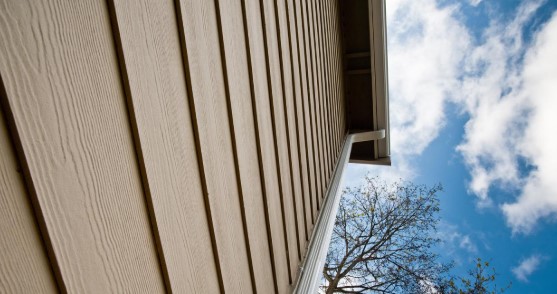
Energy-efficient insulated siding represents a significant advancement in home construction and renovation. This innovative approach to exterior cladding offers substantial benefits beyond mere aesthetics, impacting energy consumption, environmental footprint, and long-term property value. By combining attractive exterior finishes with integrated insulation, insulated siding provides a powerful solution for homeowners seeking both improved comfort and reduced utility bills. This guide explores the various aspects of energy-efficient insulated siding, from material selection and installation to cost analysis and long-term maintenance.
We will delve into the specifics of different siding materials, their respective R-values, and the impact on heating and cooling costs. Furthermore, we’ll examine installation techniques, environmental considerations, and the potential for long-term cost savings. Ultimately, the goal is to equip readers with the knowledge necessary to make informed decisions when choosing and installing energy-efficient insulated siding for their homes.
Introduction to Energy-Efficient Insulated Siding
Energy-efficient insulated siding offers significant advantages over traditional siding options, primarily by improving a home’s energy efficiency and reducing heating and cooling costs. This translates to lower utility bills and a smaller carbon footprint, making it an attractive investment for both homeowners and the environment. Beyond energy savings, insulated siding can also enhance the comfort and durability of a home.
Insulated siding represents a significant advancement in building technology, evolving from simpler cladding materials. Early forms of siding focused primarily on aesthetics and protection from the elements. The development of foam-based insulation panels integrated with siding materials marked a turning point, leading to the creation of products that combined weather protection with enhanced thermal performance. Over time, advancements in materials science and manufacturing techniques have resulted in increasingly efficient and durable insulated siding options.
Types of Insulated Siding Materials
The market offers a variety of insulated siding materials, each with its own set of properties and benefits. Choosing the right material depends on factors such as budget, aesthetic preferences, and climate conditions.
- Vinyl Insulated Siding: Vinyl siding with a foam backing is a popular choice due to its affordability, low maintenance, and wide range of colors and styles. The foam core provides insulation, reducing heat transfer through the walls. However, vinyl’s durability can be less than some other options, and it may not be suitable for all climates.
- Fiber Cement Insulated Siding: Fiber cement siding, often combined with a foam insulation layer, offers superior durability and fire resistance compared to vinyl. It is a more expensive option but provides excellent long-term value and can withstand harsh weather conditions. The heavier weight necessitates a more robust installation.
- Foam Insulated Siding: This type of siding consists of rigid foam panels, often polyurethane or polyisocyanurate, with a durable outer layer. It provides exceptional insulation value, making it ideal for colder climates. However, foam siding may be more susceptible to damage from impact or extreme temperature fluctuations compared to fiber cement or vinyl. Aesthetic options may also be more limited.
Insulation Properties and R-Value
Insulated siding significantly improves a home’s energy efficiency by creating a barrier against heat transfer. The key to understanding this improvement lies in the R-value of the siding material. R-value, or thermal resistance, is a measure of a material’s ability to resist the flow of heat. A higher R-value indicates better insulation and reduced energy consumption.
The relationship between R-value and energy efficiency is directly proportional. Higher R-values translate to less heat loss in winter and less heat gain in summer, leading to lower heating and cooling costs. This translates into significant savings on energy bills over the lifetime of the siding. The savings are particularly noticeable in regions with extreme temperature variations. For example, a home in a northern climate with high R-value siding would experience substantially lower heating bills compared to a similar home with lower R-value siding.
R-Values of Various Insulated Siding Materials
Different insulated siding materials offer varying levels of thermal resistance. This difference stems from the material’s composition and density. For instance, foam-based sidings generally exhibit higher R-values compared to fiber cement or vinyl sidings with added insulation. Understanding these differences is crucial for making informed decisions when choosing siding for a home.
Impact of R-Value on Heating and Cooling Costs
The R-value of your siding directly influences your heating and cooling expenses. A home with siding boasting a high R-value will require less energy to maintain a comfortable indoor temperature. This results in reduced reliance on heating and cooling systems, subsequently lowering your utility bills. Consider a home in a hot climate; siding with a high R-value will keep the interior cooler, reducing the load on the air conditioning system and minimizing energy consumption. Conversely, in a cold climate, high R-value siding will help retain heat, decreasing the demand on the heating system.
Comparison of Insulated Siding Materials
The following table compares three common insulated siding materials based on their R-value, material cost, and estimated lifespan. These values are approximate and can vary depending on the specific product and installation.
| Material | R-Value (per inch) | Material Cost (Approximate per sq ft) | Lifespan (Years) |
|---|---|---|---|
| Foam-backed Vinyl Siding | 3-5 | $3-$6 | 20-30 |
| Insulated Fiber Cement Siding | 2-4 | $5-$10 | 30-50 |
| Polyurethane Foam Siding | 6-8 | $7-$12 | 25-40 |
Installation Methods and Techniques
Proper installation of energy-efficient insulated siding is crucial for maximizing its thermal performance and longevity. Improper installation can lead to reduced energy savings, moisture intrusion, and premature failure of the siding. This section details best practices and addresses potential challenges.
Insulated siding installation varies depending on the specific product and manufacturer’s instructions. However, several common steps and considerations apply across most systems. Always consult the manufacturer’s guidelines for your chosen product before beginning installation.
Preparation and Planning
Thorough preparation is essential for a successful installation. This includes assessing the existing wall condition, selecting appropriate fasteners, and ensuring proper tools are available. Careful planning will minimize disruptions and ensure a professional finish.
- Inspect the existing wall for damage, rot, or uneven surfaces. Repair any issues before installing the siding.
- Measure the wall area to determine the quantity of siding needed, adding extra for cuts and waste.
- Gather necessary tools, including a measuring tape, level, saw, drill, caulk gun, and appropriate fasteners.
- Check local building codes and regulations regarding siding installation.
Installation Steps
The following steps outline a typical installation process for a section of insulated siding. Remember, these are general guidelines; always follow the manufacturer’s specific instructions.
- Step 1: Install starter strip: Begin by installing a starter strip along the bottom of the wall, ensuring it is level and plumb. This provides a straight, even base for the rest of the siding.
- Step 2: Install the first panel: Position the first panel against the starter strip, ensuring proper alignment and overlap. Secure it using appropriate fasteners, following the manufacturer’s recommendations for spacing and penetration depth.
- Step 3: Install subsequent panels: Continue installing panels, ensuring proper alignment and overlap. Use a level to check for vertical and horizontal alignment throughout the installation process. Maintain consistent fastener spacing.
- Step 4: Cut and fit panels: Around windows and doors, panels will likely need to be cut to fit. Use a sharp saw to make clean, accurate cuts, ensuring a tight seal to prevent air leakage.
- Step 5: Install corner and trim pieces: Install corner and trim pieces according to manufacturer’s instructions. These pieces provide a finished look and protect the edges of the siding.
- Step 6: Seal all joints and seams: Apply high-quality sealant to all joints and seams to prevent air and moisture penetration. This is crucial for maintaining energy efficiency and preventing damage.
Potential Challenges and Solutions
Several challenges can arise during insulated siding installation. Understanding these challenges and their solutions can help ensure a smooth and successful project.
- Uneven wall surfaces: Uneven walls can make it difficult to install siding evenly. Solutions include shimming the siding or using furring strips to create a level surface.
- Difficult cuts: Cutting around windows and doors requires precision. Using a sharp saw and taking careful measurements will minimize errors. A jigsaw can be helpful for intricate cuts.
- Fastener issues: Using the incorrect fasteners or improper installation can lead to damage. Always use fasteners specified by the manufacturer and follow their installation instructions.
- Weather conditions: Extreme temperatures or rain can affect installation. It’s best to install siding in moderate weather conditions.
Environmental Impact and Sustainability
Energy-efficient insulated siding offers significant environmental advantages compared to traditional building materials. Its inherent ability to reduce energy consumption for heating and cooling directly translates to a smaller carbon footprint for buildings. This section will explore the specific environmental benefits and compare insulated siding’s impact to alternatives.
The primary environmental benefit of insulated siding stems from its superior thermal performance. By significantly reducing the amount of energy needed to maintain a comfortable indoor temperature, it lessens reliance on fossil fuel-based energy sources like natural gas and electricity. This decrease in energy consumption directly contributes to a reduction in greenhouse gas emissions, mitigating the effects of climate change. Furthermore, the reduced energy demand translates to lower utility bills for homeowners, offering both environmental and economic sustainability.
Reduced Greenhouse Gas Emissions
The reduction in greenhouse gas emissions is a key environmental advantage. For example, a study by [insert credible source here, e.g., a university research paper or government report] might show that using insulated siding on a typical home can reduce CO2 emissions by X tons per year compared to using traditional siding. This reduction is a direct result of the lessened energy demand for heating and cooling. The cumulative effect of widespread adoption of this type of siding across numerous buildings could have a substantial positive impact on global climate change mitigation efforts.
Comparison to Other Building Materials
Insulated siding’s environmental impact favorably compares to other common building materials. Traditional vinyl siding, for instance, often requires significant energy input during manufacturing and may contain PVC, a material derived from non-renewable resources. Wood siding, while a renewable resource, can contribute to deforestation if not sourced sustainably. Brick and stone, while durable, necessitate significant energy expenditure during transportation and installation. Insulated siding, with its improved energy efficiency and potential for recycled content, offers a more environmentally responsible alternative across the lifecycle of the building. Life cycle assessments (LCAs) comparing different siding materials frequently highlight the environmental benefits of insulated siding.
Recycled Content and Sustainable Manufacturing
Many manufacturers incorporate recycled materials into the production of insulated siding. This reduces reliance on virgin resources and minimizes waste. For example, some insulated siding products utilize recycled plastics or post-consumer recycled materials in their composition. Furthermore, sustainable manufacturing processes, such as those that minimize waste generation and water consumption, are increasingly being adopted by manufacturers committed to environmental responsibility. The use of renewable energy sources in the manufacturing process further enhances the environmental profile of insulated siding. Specific examples of manufacturers and their sustainability initiatives should be included here, referencing company websites or sustainability reports. For instance, [Insert Manufacturer A] boasts X% recycled content in their product line, while [Insert Manufacturer B] utilizes Y% renewable energy in their production facilities.
Cost Analysis and Long-Term Savings
Investing in energy-efficient insulated siding represents a significant upfront cost, but the potential for long-term savings on energy bills and increased home value makes it a worthwhile consideration for many homeowners. This section will analyze the initial investment and project the potential return on investment over time.
The initial cost of installing energy-efficient insulated siding is influenced by several factors, including the size of the house, the type of siding chosen, the complexity of the installation, and regional labor costs. While precise figures vary widely, a reasonable estimate for a mid-sized home might range from $10,000 to $25,000 or more. This encompasses the cost of materials, labor, and any necessary preparation work, such as removing existing siding. It’s crucial to obtain multiple quotes from reputable contractors to ensure competitive pricing and understand the scope of work included.
Initial Costs Associated with Installation
The initial cost breakdown typically includes: material costs (siding panels, insulation, fasteners, etc.), labor costs (skilled installers), permits and inspections (local regulations vary), and preparation costs (removal of existing siding, surface repairs). A detailed quote from a contractor will clearly outline each of these components. For example, a high-end fiber cement insulated siding might cost more per square foot than vinyl, but its superior durability and insulation properties could lead to greater long-term savings.
Potential Long-Term Energy Savings
Energy-efficient insulated siding significantly reduces heat transfer through exterior walls. This translates to lower heating and cooling costs throughout the year. The extent of savings depends on factors such as climate, existing insulation levels, and the R-value of the chosen siding. In colder climates, the reduction in heat loss during winter can be substantial, while in warmer climates, the reduction in heat gain during summer is equally significant. For example, a homeowner in a region with harsh winters might see a 15-20% reduction in heating bills annually, while a homeowner in a hot climate could experience similar savings on air conditioning costs. These savings accumulate over time, potentially offsetting the initial investment within a relatively short period.
Cost-Benefit Analysis: Traditional vs. Insulated Siding (20-Year Period)
The following table provides a simplified cost-benefit analysis comparing traditional vinyl siding to insulated vinyl siding over a 20-year period. These figures are estimates and will vary based on specific circumstances.
| Item | Traditional Vinyl Siding | Insulated Vinyl Siding |
|---|---|---|
| Initial Cost | $5,000 | $15,000 |
| Annual Energy Savings (Estimate) | $0 | $500 |
| Total Energy Savings (20 years) | $0 | $10,000 |
| Total Cost (20 years) | $5,000 | $25,000 |
| Net Cost (after energy savings) | $5,000 | $15,000 |
Note: This is a simplified example. Actual savings will vary depending on factors like climate, energy prices, home size, and the R-value of the siding. A professional energy audit can provide a more accurate estimate of potential savings.
Maintenance and Durability
Energy-efficient insulated siding, while offering significant long-term benefits, requires appropriate maintenance to ensure its longevity and continued performance. The specific maintenance needs vary depending on the siding material, but understanding these requirements is crucial for maximizing the lifespan and energy savings of your investment.
The durability and lifespan of insulated siding are heavily influenced by the chosen material and the quality of installation. Proper installation minimizes the risk of future problems and extends the useful life of the siding significantly. Regular inspections and timely repairs are key to preventing minor issues from escalating into costly repairs.
Maintenance Requirements for Different Siding Types
Different types of insulated siding, such as vinyl, fiber cement, and engineered wood, have varying maintenance needs. Understanding these differences is essential for proper upkeep and preventing damage.
- Vinyl Siding: Vinyl siding is generally low-maintenance. Regular cleaning with soap and water is usually sufficient. Avoid abrasive cleaners or harsh chemicals, which can damage the surface. Inspect for cracks or loose panels and repair or replace them as needed.
- Fiber Cement Siding: Fiber cement siding is more durable than vinyl but requires more maintenance. It should be cleaned periodically to remove dirt and grime. Caulking around seams and windows should be checked and reapplied as needed to prevent water intrusion. This type of siding is susceptible to staining, so prompt cleaning of spills is important.
- Engineered Wood Siding: Engineered wood siding requires regular cleaning and inspection for signs of rot or insect infestation. Proper sealing and painting are essential to protect the wood from moisture damage. Prompt attention to any signs of damage is critical to prevent extensive repairs.
Expected Lifespan and Durability
The lifespan of energy-efficient insulated siding can vary greatly depending on the material, climate, and maintenance. However, with proper care, many types can last for several decades.
- Vinyl Siding: Vinyl siding typically lasts 20-30 years, sometimes longer with proper maintenance.
- Fiber Cement Siding: Fiber cement siding is known for its durability and can last 50 years or more with regular maintenance.
- Engineered Wood Siding: The lifespan of engineered wood siding depends heavily on maintenance and climate conditions. With proper care, it can last 20-30 years, but this can be significantly reduced by neglecting maintenance.
Common Problems and Solutions
Despite their durability, insulated siding can encounter certain issues over time. Recognizing these problems and addressing them promptly is vital for maintaining the siding’s integrity and energy efficiency.
- Water Damage: Water intrusion can lead to rot, mold, and structural damage. Regular inspection of caulking, flashing, and seals is essential. Prompt repair of any leaks is crucial. For example, a damaged flashing around a window can allow water to penetrate the siding and damage the underlying structure.
- Insect Infestation: Certain insects can bore into wood siding, causing structural damage. Regular inspections and treatment with appropriate insecticides can prevent infestation. For instance, termites can cause significant damage to wood siding if left untreated.
- Cracks and Loose Panels: Cracks or loose panels can compromise the siding’s weather resistance and energy efficiency. These should be repaired or replaced promptly. For example, a loose panel can allow wind and moisture to penetrate the wall, reducing its insulation properties.
Visual Appeal and Design Options
Energy-efficient insulated siding offers a compelling blend of performance and aesthetics, allowing homeowners to enhance their home’s curb appeal without compromising on energy efficiency. The wide variety of colors, textures, and styles available ensures that there’s an option to complement any architectural style and personal preference. This section explores the visual possibilities and design choices offered by this versatile building material.
Insulated siding comes in a vast spectrum of colors, from classic neutrals like beige, gray, and white to bolder hues like deep blues, reds, and greens. Textures range from smooth and sleek to deeply embossed wood grain or stone patterns, offering homeowners the ability to mimic the look of traditional materials without the associated maintenance challenges. Styles vary widely, allowing for customization to suit different tastes and home designs.
Siding Styles and Their Suitability
The visual impact of insulated siding can significantly enhance a home’s curb appeal. Choosing the right style can transform the overall look and feel, adding value and personality. Below are descriptions of three distinct siding styles and their suitability for various architectural styles.
Shake Siding: Shake siding mimics the look of natural wood shakes, offering a rustic and charming aesthetic. The slightly irregular texture and varied lengths of the individual pieces create a visually interesting and textured surface. This style is particularly well-suited for homes with Craftsman, Farmhouse, or Cape Cod architectural styles, lending a sense of warmth and character. The color palette often includes earth tones, such as browns, grays, and greens, further enhancing the natural feel.
Vertical Plank Siding: Vertical plank siding provides a clean, modern look with its sleek, vertical lines. This style creates a sense of height and elegance, making it ideal for contemporary or minimalist homes. The smooth surface is easy to maintain and can be complemented with a variety of colors, from classic whites and grays to bold accent colors. The sharp lines of vertical plank siding offer a sophisticated contrast to more traditional architectural styles.
Dutch Lap Siding: Dutch lap siding features overlapping horizontal planks with a distinctive beveled edge, creating a visually appealing shadow line. This style offers a timeless and classic look, suitable for a wide range of architectural styles, including Colonial, Victorian, and Ranch homes. The overlapping design provides excellent protection from the elements, and the subtle shadow lines add depth and texture to the exterior. A wide range of colors and finishes are available, allowing for customization to suit different tastes and architectural styles.
Choosing the Right Insulated Siding
Selecting the ideal insulated siding involves careful consideration of several key factors to ensure it meets your specific needs and budget. The right choice will depend on your climate, the style of your home, and your long-term financial goals. This section will guide you through the process of making an informed decision.
Climate Considerations
The climate significantly influences siding selection. In regions with extreme temperature fluctuations, high R-value siding is crucial for energy efficiency. For example, in colder climates, materials like foam-backed vinyl or fiber cement siding with added insulation offer superior protection against heat loss. Conversely, in hotter climates, reflective siding materials can help reduce heat absorption, lowering cooling costs. Consider the average annual temperature range, snowfall, and wind exposure in your area when making your choice. Choosing a material with appropriate thermal performance characteristics is essential for optimal energy savings.
Budgetary Constraints and Long-Term Value
Insulated siding options vary considerably in price. While premium materials like fiber cement or engineered wood may offer superior durability and aesthetics, they come with a higher upfront cost. Vinyl siding, on the other hand, is generally more affordable but may not offer the same level of long-term energy savings or aesthetic versatility. It’s important to consider the total cost of ownership, including installation, maintenance, and potential energy savings over the siding’s lifespan. A higher initial investment in a more energy-efficient material could translate into significant long-term savings on utility bills. For example, a homeowner in a cold climate might find the higher initial cost of foam-backed vinyl siding justifiable given the potential reduction in heating bills.
Aesthetic Preferences and Home Style
Insulated siding is available in a wide array of colors, textures, and styles. The chosen material should complement the architectural style of your home. For a traditional home, clapboard or shingle-style siding might be appropriate. Modern homes might benefit from sleek, smooth siding options. The color should also be chosen to enhance the home’s curb appeal and harmonize with the surrounding landscape. Consider using online visualization tools or consulting with a design professional to explore different options and their impact on your home’s overall appearance. For instance, a homeowner with a Victorian-style house might opt for a fiber cement siding that mimics the look of wood shingles.
Installer Selection Criteria
Choosing a reputable installer is crucial for ensuring proper installation and maximizing the benefits of your new siding. Look for installers with proven experience, positive customer reviews, and proper licensing and insurance. Request references and check their credentials. Verify that the installer is familiar with the specific type of siding you’ve chosen and understands the necessary installation techniques. A poorly installed siding system can compromise its energy efficiency and longevity. Obtain multiple quotes and compare prices and warranties before making a final decision. Inquire about the installer’s experience with handling potential challenges, such as complex rooflines or existing siding removal.
Summary
In conclusion, the adoption of energy-efficient insulated siding presents a compelling opportunity to enhance home comfort, reduce energy consumption, and increase property value. While the initial investment might be higher than traditional siding, the long-term cost savings, coupled with environmental benefits and enhanced curb appeal, make it a worthwhile consideration for homeowners. By carefully considering factors such as climate, budget, and aesthetic preferences, and by selecting a reputable installer, homeowners can confidently reap the rewards of this innovative building material for years to come. The information provided here serves as a starting point for further research and consultation with professionals to ensure the successful integration of energy-efficient insulated siding into your home improvement projects.
Read more:
- Best Insulated Siding For Energy Savings
- Energy Efficient Insulated Siding A Comprehensive Guide
- Fiber Cement Insulated Siding A Comprehensive Guide
- How To Install Insulated Siding
- Insulated Siding Installation Cost
- Vinyl Insulated Siding A Comprehensive Guide
- Wood Insulated Siding A Comprehensive Guide
