Best Siding for Home Insulation
- Putri Home Student
- 2025 January 09T17:20
- Home
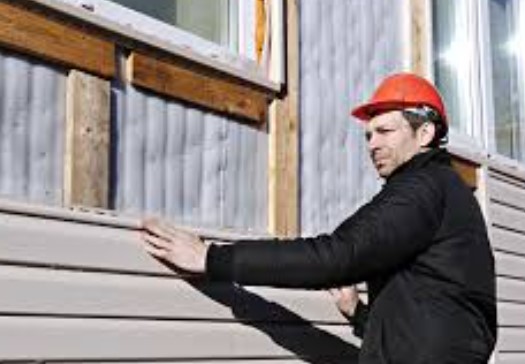
Best siding for home insulation is a crucial consideration for homeowners seeking to improve energy efficiency and enhance their property’s value. This exploration delves into the various siding materials available, their respective thermal properties, and the optimal installation techniques for maximizing insulation performance. We will examine the cost-effectiveness of different options, considering both initial investment and long-term energy savings, while also addressing the environmental impact of each material. Ultimately, the goal is to empower readers with the knowledge needed to make informed decisions about their home’s exterior.
Understanding the interplay between siding material, insulation methods, and climate conditions is paramount. This guide will equip you with the information necessary to select the best siding for your specific needs and climate, considering factors like R-value, lifespan, maintenance requirements, and aesthetic preferences. We’ll cover everything from vinyl and fiber cement to wood and metal siding, exploring their unique properties and how they contribute to overall home insulation.
Types of Siding Materials
Choosing the right siding for your home involves considering a variety of factors beyond just aesthetics. Material properties significantly impact insulation, longevity, and maintenance needs. This section details the common siding types, their thermal performance, and long-term implications.
Vinyl Siding
Vinyl siding is a popular choice due to its affordability and low maintenance. It’s made from polyvinyl chloride (PVC), a plastic material that’s resistant to moisture, rot, and insect damage. However, its thermal performance is relatively low compared to other options. The R-value of vinyl siding typically ranges from R-2 to R-4, meaning it offers minimal insulation. Its lifespan is generally 20-30 years, with minimal maintenance required beyond occasional cleaning. While it comes in a variety of colors and styles, its appearance is often considered less sophisticated than other materials.
Fiber Cement Siding
Fiber cement siding is a composite material made from cement, cellulose fibers, and sand. It’s known for its exceptional durability and resistance to fire, pests, and moisture. Fiber cement offers better insulation than vinyl, with R-values ranging from R-4 to R-6 depending on thickness. It boasts a significantly longer lifespan than vinyl, typically lasting 50 years or more, but requires more maintenance, including periodic painting to protect against weathering. Its cost is higher than vinyl but generally lower than wood or metal. Fiber cement offers a wide array of styles and colors that can closely mimic the look of wood.
Wood Siding
Wood siding, a classic choice, offers a natural aesthetic appeal and relatively good insulation. Different types of wood have varying R-values, generally ranging from R-1 to R-4 depending on thickness and type. However, wood is susceptible to rot, insect infestation, and requires significant maintenance, including regular painting or staining, to protect against the elements. Its lifespan can vary greatly depending on the wood type and maintenance, typically ranging from 20-50 years. The initial cost of wood siding is often high, particularly for premium wood species.
Metal Siding
Metal siding, typically made of aluminum or steel, is highly durable and resistant to fire, pests, and moisture. It offers good insulation properties, with R-values ranging from R-3 to R-8, depending on the type of insulation used behind it. Metal siding is low maintenance, requiring only occasional cleaning. Its lifespan can exceed 50 years, but it’s prone to dents and scratches. While its initial cost is relatively high, the long lifespan and low maintenance can offset the upfront investment. Aesthetically, metal siding offers a contemporary look and is available in a variety of colors and finishes.
Siding Material Comparison
| Material Type | Initial Cost | Maintenance Cost | Lifespan (Years) | R-Value | Aesthetic Considerations |
|---|---|---|---|---|---|
| Vinyl | Low | Low | 20-30 | R-2 to R-4 | Wide variety of colors and styles, but often considered less sophisticated. |
| Fiber Cement | Medium | Medium | 50+ | R-4 to R-6 | Can mimic the look of wood; durable and versatile. |
| Wood | High | High | 20-50 | R-1 to R-4 | Classic, natural look; requires regular maintenance. |
| Metal | High | Low | 50+ | R-3 to R-8 | Modern and contemporary; durable and low maintenance. |
Insulation Techniques with Siding
Effective home insulation is crucial for energy efficiency and comfort. Choosing the right siding material is only part of the equation; integrating it with appropriate insulation methods significantly impacts the overall performance of your home’s thermal envelope. This section explores how different siding types work in conjunction with various insulation techniques to optimize energy savings and improve comfort.
Siding Material and Insulation Method Compatibility
The selection of siding material influences the best insulation approach. For instance, fiber cement siding, due to its density, often benefits from a continuous layer of rigid foam insulation behind it to maximize its thermal resistance. Vinyl siding, being thinner and less dense, might be paired effectively with spray foam insulation in the wall cavity for superior air sealing and insulation. Wood siding, while aesthetically pleasing, requires careful consideration of its breathability and the need to prevent moisture buildup, often necessitating the use of batt insulation with a vapor barrier. The choice of insulation method must always account for the siding’s properties to avoid moisture problems or compromised insulation performance.
Proper Installation Techniques for Maximized Insulation Effectiveness
Proper installation is paramount to achieve the intended insulation benefits. Air sealing is critical, regardless of the siding or insulation type. Gaps and cracks allow air infiltration, negating the insulation’s effectiveness. Using appropriate sealants and ensuring a tight fit between insulation and siding is crucial. Furthermore, the correct placement of vapor barriers prevents moisture from accumulating within the wall assembly, which can lead to mold and rot. For instance, a vapor barrier should be installed on the warm side of the insulation to prevent moisture migration. This is generally the interior side of the wall in cold climates. Incorrect installation can lead to significant energy loss and potential structural damage.
Vinyl Siding Installation with Added Insulation: A Step-by-Step Guide
Before beginning any installation, ensure you have all necessary safety equipment and follow local building codes. This guide focuses on installing vinyl siding with added rigid foam insulation.
- Prepare the Wall: Clean the exterior wall surface, ensuring it’s free of debris and loose materials. Repair any cracks or damage.
- Install Rigid Foam Insulation: Attach rigid foam insulation boards directly to the wall using appropriate adhesive and mechanical fasteners. Ensure a tight fit and minimize gaps between boards.
- Air Seal: Seal all joints and gaps between insulation boards using a high-quality sealant compatible with both the insulation and siding materials. Pay special attention to areas around windows and doors.
- Install Vapor Barrier (if needed): If using a vapor barrier, install it over the insulation, ensuring it’s properly sealed to prevent air leakage. The location depends on climate and local building codes.
- Install Furring Strips (optional): Adding furring strips creates a small air gap between the insulation and the siding, improving ventilation and reducing the chance of moisture problems.
- Install Vinyl Siding: Follow the manufacturer’s instructions for installing the vinyl siding. Ensure proper overlapping and alignment of panels.
- Caulk and Finish: Caulk any gaps around windows, doors, and other penetrations. Clean up any debris and inspect the finished installation.
Infographic: Insulation Beneath Siding
The infographic depicts a cross-section of a wall, showing the layers from the exterior to the interior. The outermost layer is the vinyl siding. Beneath it is a layer of rigid foam insulation, shown in a light grey color, neatly fitted against the wall framing. Clear lines indicate precisely cut and installed boards, minimizing gaps. A dark grey line represents a continuous vapor barrier, clearly positioned between the insulation and the interior wall. Red circles highlight strategically placed sealant around windows and joints, emphasizing the air-sealing aspect. Arrows indicate air flow, showing how the insulation and vapor barrier work together to prevent air infiltration and moisture intrusion. The wall framing is shown in brown, and the interior wall is in a light beige color. The text overlay clearly labels each component (vinyl siding, rigid foam insulation, vapor barrier, sealant, wall framing, interior wall) and highlights the importance of each element in creating an energy-efficient and durable wall system. The infographic’s overall style is clean and easily understandable, utilizing color-coding and clear labeling for optimal visual clarity.
Factors Affecting Insulation Performance
The effectiveness of your home’s siding insulation isn’t solely determined by the materials used; several interconnected factors significantly influence its overall performance. Understanding these factors is crucial for making informed decisions about siding and insulation choices to optimize energy efficiency and comfort. This section will explore these key influences and offer practical strategies for maximizing insulation performance.
Climate conditions, house orientation, and the presence of air leaks are primary determinants of a home’s insulation performance. These factors interact in complex ways, necessitating a holistic approach to improving energy efficiency. For example, a home in a cold climate will require different siding and insulation strategies compared to one in a warm climate.
Climate Conditions and Insulation Strategy
Climate significantly impacts the selection of siding materials and the insulation strategy. Homes in extremely cold climates benefit from high-R-value insulation and siding materials with excellent thermal resistance, such as fiber cement or insulated vinyl siding. These materials minimize heat loss during winter. Conversely, in hot and humid climates, reflective siding materials, such as certain types of aluminum or light-colored vinyl, can reflect solar radiation, reducing heat absorption and lowering cooling loads. The choice of insulation should also prioritize breathability in humid climates to prevent moisture buildup, which can lead to mold and mildew. For example, a home in Arizona might utilize a lighter-colored stucco siding with a high-reflectivity coating paired with appropriate insulation to combat the intense desert heat, while a home in Minnesota might opt for dark-colored fiber cement siding with a thick layer of dense-pack cellulose insulation to withstand harsh winter conditions.
Air Leaks and Thermal Performance
Air leaks significantly compromise the effectiveness of any insulation system. Air infiltration allows conditioned air to escape in winter and infiltrate in summer, negating the benefits of insulation. Minimizing air leaks is paramount to maximizing thermal performance. This involves sealing gaps and cracks around windows, doors, and other penetrations in the exterior walls. Using appropriate caulking, weatherstripping, and expanding foam sealant are crucial steps. Additionally, ensuring a proper air barrier system during construction or renovation is essential. An air barrier is a continuous layer of material that prevents air from moving through the building envelope. Proper installation of siding plays a vital role in creating an effective air barrier, as gaps and inconsistencies in siding installation can lead to significant air leakage.
Potential Problems and Solutions
Several issues can reduce the effectiveness of home siding insulation. Addressing these proactively ensures optimal performance.
Here is a list of common problems and their solutions:
| Problem | Solution |
|---|---|
| Insufficient insulation thickness | Add more insulation to increase the R-value of the wall assembly. |
| Air leaks around windows and doors | Caulk and weatherstrip windows and doors; install air sealing tape. |
| Poorly installed siding | Repair or replace damaged or improperly installed siding to ensure a continuous air barrier. |
| Moisture intrusion | Improve ventilation and ensure proper drainage to prevent moisture buildup within the wall cavity. Consider using moisture-resistant siding materials. |
| Thermal bridging | Use thermal breaks in framing members to reduce heat transfer through conductive materials. |
Cost-Effectiveness and ROI
Choosing the right siding and insulation significantly impacts a home’s long-term cost-effectiveness. While initial investment varies greatly depending on material and installation, the energy savings and reduced maintenance can lead to substantial returns over time. This section explores the financial aspects of different siding and insulation combinations, helping you make informed decisions based on your budget and long-term goals.
The long-term cost-effectiveness of siding hinges on a careful balance of initial investment, ongoing maintenance, and energy savings. Higher upfront costs for premium materials like fiber cement or engineered wood often translate to lower maintenance expenses and greater energy efficiency, leading to lower utility bills over the lifespan of the siding. Conversely, less expensive options such as vinyl might require more frequent repairs or replacements, potentially offsetting the initial savings. Accurate cost comparisons must consider factors like material cost, labor, and the expected lifespan of each option.
Comparing Long-Term Costs of Different Siding Options
A detailed comparison requires considering several factors. For instance, let’s compare vinyl siding with a lifespan of 20-30 years and requiring occasional cleaning, to fiber cement siding with a lifespan of 50 years or more and needing less frequent maintenance. While the initial cost of fiber cement is higher, the reduced maintenance and extended lifespan can make it more cost-effective in the long run. Similarly, wood siding, while aesthetically pleasing, requires more regular maintenance (painting, staining) compared to other options, impacting its overall long-term cost. A realistic cost analysis should include projected maintenance costs over the expected lifespan of each siding type.
Calculating Return on Investment (ROI) for Siding and Insulation
Calculating the ROI for siding and insulation involves comparing the total cost of the investment (materials, labor, and financing) against the anticipated savings. Energy savings are a major component of this calculation. For example, consider a homeowner upgrading from standard insulation to spray foam insulation, paired with high-performance siding. The higher upfront cost is offset by significantly reduced energy consumption, leading to substantial savings on heating and cooling bills over several years.
ROI = (Total Savings – Total Investment) / Total Investment * 100%
To illustrate, assume a $15,000 investment in new high-performance siding and insulation results in annual energy savings of $1,500. Over 10 years, the total savings would be $15,000. Using the formula above, the ROI would be 0% (breaking even). However, extending the analysis to 20 years, with consistent annual savings, would yield a positive ROI. This highlights the importance of considering the long-term perspective when evaluating the cost-effectiveness of these improvements.
Scenarios Where High-Performance Options Pay Off
In climates with extreme temperatures, investing in high-performance siding and insulation is particularly beneficial. Homes located in regions with harsh winters or hot summers experience significant energy consumption for heating and cooling. Upgrading to superior insulation and siding materials can drastically reduce these costs, resulting in a faster ROI compared to regions with milder climates. For example, a homeowner in a northern state might see a quicker return on investment from spray foam insulation and fiber cement siding than a homeowner in a southern state with moderate temperatures. Similarly, older homes with inadequate insulation will see more significant energy savings from upgrades than newer, well-insulated homes. The payback period, the time it takes to recoup the initial investment through savings, will vary greatly depending on factors like climate, existing insulation levels, and energy prices.
Environmental Considerations
Choosing siding involves more than just aesthetics and cost; it significantly impacts the environment. The manufacturing process, material lifespan, and end-of-life disposal all contribute to a material’s overall environmental footprint. Understanding these factors allows for informed decisions that minimize the environmental impact of your home improvement project.
Manufacturing Processes and Energy Consumption
The production of various siding materials requires different levels of energy and resources. For example, vinyl siding, a popular choice due to its affordability, relies heavily on petroleum-based plastics, a non-renewable resource. Its manufacturing process is energy-intensive, contributing to greenhouse gas emissions. Conversely, fiber cement siding, composed of cement, cellulose fibers, and other additives, generally has a lower embodied carbon footprint than vinyl, although its production still requires energy for mixing, curing, and transportation. Wood siding, a natural material, presents a variable environmental impact depending on the sourcing and processing methods. Sustainably harvested wood from responsibly managed forests has a significantly smaller carbon footprint compared to wood from unsustainable sources. Metal sidings, such as aluminum and steel, have high recyclability rates but their initial production involves substantial energy consumption.
Embodied Carbon of Siding Materials
Embodied carbon refers to the greenhouse gas emissions generated throughout a material’s entire lifecycle, from raw material extraction to manufacturing, transportation, installation, and ultimately, disposal or recycling. While precise figures vary depending on manufacturing processes and transportation distances, studies generally show that wood siding, particularly from sustainably managed forests, tends to have a lower embodied carbon footprint compared to vinyl or certain types of metal siding. Fiber cement siding occupies a middle ground, with its embodied carbon often lower than vinyl but potentially higher than sustainably sourced wood. The embodied carbon of vinyl siding is notably high due to its reliance on fossil fuels. These differences highlight the importance of considering the entire lifecycle when evaluating the environmental impact of different siding choices. For instance, a life cycle assessment (LCA) comparing a 50-year-old wood siding with a 20-year-old vinyl siding would need to consider the replacement and disposal of the vinyl siding multiple times, significantly increasing its overall environmental impact.
Environmental Benefits of Sustainable Siding Options
Selecting sustainable and energy-efficient siding options offers several environmental advantages. Using recycled materials in siding production reduces the demand for virgin resources and lowers greenhouse gas emissions. Siding with high thermal resistance helps reduce energy consumption for heating and cooling, minimizing reliance on fossil fuels. The selection of durable, long-lasting siding reduces the frequency of replacements, further minimizing waste and resource consumption. Choosing materials with high recyclability rates, such as aluminum or certain types of wood, ensures that the material can be reused at the end of its life, diverting it from landfills. For example, using reclaimed wood for siding significantly reduces the environmental impact compared to using newly harvested wood, as it avoids the need for further logging and processing. Similarly, choosing siding with a high percentage of recycled content, such as recycled plastic in composite siding, directly reduces the environmental burden.
Final Conclusion
Choosing the best siding for home insulation involves careful consideration of numerous factors, from initial cost and long-term energy savings to environmental impact and aesthetic appeal. By weighing the pros and cons of various materials and understanding proper installation techniques, homeowners can significantly improve their home’s energy efficiency, comfort, and value. This guide has provided a comprehensive overview of the key considerations, empowering you to make an informed decision that aligns with your individual needs and budget. Remember, a well-insulated home is a comfortable and cost-effective home.
